Choosing the right moisture meter can save expensive stock from warping, splitting, or finish failure. For furniture makers, a reliable reading is one of the fastest ways to know whether lumber is truly shop-ready.
Below, we compare 10 strong options for accuracy, usability, and measurement style so you can choose the best meter for your workflow and budget.
Best 10 Wood Moisture Meters for Furniture Making Picks for 2026
Premium Precision Pinless Pick
Orion 950 Smart Pinless Wood Meter

- Pinless and non-damaging on wood surfaces
- Dual-depth readings at 1/4" and 3/4"
- Bluetooth plus EMC, dew point, and GPP/GPK calculations
Best For: Furniture makers wanting advanced pinless accuracy and app connectivity
Budget Hidden-Moisture Finder
RDINSCOS Pin Type Moisture Meter
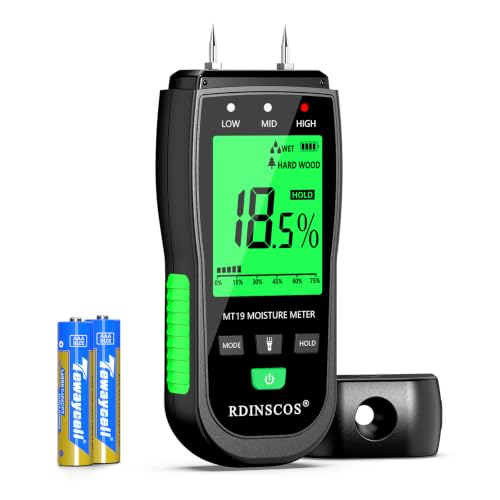
- Pin-type readings for checking moisture inside wood
- Good for comparing spots around stains or exposure
- Works on wood, drywall, and other building materials
Best For: DIYers and woodworkers who want simple targeted moisture checks
Non-Destructive Shop Favorite
Klein ET140 Pinless Moisture Meter

- Pinless EMF design avoids surface damage
- Reads up to 3/4-inch below the surface
- Works on hardwood, softwood, drywall, and masonry
Best For: Furniture builders who want quick non-destructive checks on common materials
Easy-Read Indicator Pick
Mecurate Pin Type Wood Moisture Meter

- Three-color indicators simplify moisture checks
- Two modes with 8 wood calibration scales
- Large backlit display plus temperature readout
Best For: Users who want an easy-to-read pin meter for wood and building materials
Wall & Wood Moisture Check
General Tools MMD4E Moisture Meter
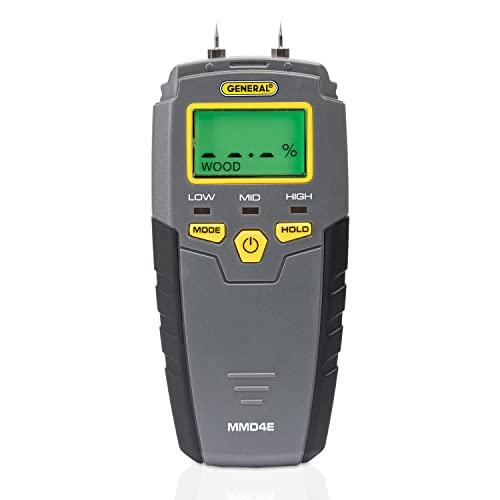
- Pin-style meter for wood and building materials
- Backlit LCD with large digits and moisture tones
- Includes extra pins, battery, and calibration cap
Best For: Furniture makers who also want a simple wall and leak-check meter
Non-Destructive Shop Check
Pinless Moisture Meter for Wood

- Non-destructive sensor for finished surfaces
- Built-in flashlight for dark work areas
- Works on wood, masonry, concrete, and more
Best For: Furniture makers who want quick, non-invasive moisture checks
Precision Lumber Reading

- Pin-type meter with hardwood and softwood modes
- Backlit LCD plus audio alert for easy reading
- Includes batteries, bag, and user guide
Best For: Furniture makers checking lumber before cutting or assembly
Top Pick for Non-Invasive Scanning
Pinless Digital Moisture Meter for Lumber

- Pinless sensing avoids surface damage on finished wood
- 4 modes cover softwood, hardwood, wall, and masonry
- LCD color alerts with hold and auto shutoff
Best For: Furniture makers who prefer non-invasive moisture checks
Best Compact Pin Meter
General Tools MMP100 Moisture Tester

- Compact pin-style meter for wood and drywall
- Tri-color LCD shows moisture ranges clearly
- Tethered cap and data hold improve convenience
Best For: Woodworkers who want a simple, portable pin meter
Best Budget Readout
TopTes TS-630 Wood Moisture Meter

- Large 2.25-inch LCD is easy to read
- Tricolor backlight shows dry, moist, or wet
- Seven calibration scales support multiple materials
Best For: Makers who want a clear, easy-to-read pin meter
Premium Precision Pinless Pick – Orion 950 Smart Pinless Wood Meter
For wood moisture meters for furniture making, the Orion 950 is built for makers who want accurate, non-damaging readings without leaving pin marks on finished lumber. Its pinless sensor, dual-depth measurement, and smart calculation features make it a strong fit when you need dependable moisture checks before milling, joinery, or assembly.
Best For: Furniture makers who want a high-end pinless meter with app support and advanced moisture calculations.
Pros:
- Pinless, non-damaging sensor helps protect woodworking surfaces.
- Dual-depth readings measure both 1/4″ and 3/4″ depths.
- Bluetooth connectivity supports data transfer to compatible apps.
- Built-in temperature and humidity sensing adds useful context.
Cons:
- Higher-end feature set may be more than some users need.
- Requires a 9V battery.
- Best value is strongest for users who will use the smart features and calculations.
Overall, this is a feature-rich choice if you want more than a basic moisture check. The combination of pinless measurement, dual-depth scanning, and automatic calculations makes it well suited to careful furniture workflows.
Budget Hidden-Moisture Finder – RDINSCOS Pin Type Moisture Meter
If you need wood moisture meters for furniture making that can quickly spot hidden moisture, this pin-type model offers a straightforward way to check lumber and nearby materials. It is designed to probe inside wood, drywall, and other building materials so you can compare readings and catch damp spots before they become a problem.
Best For: Makers and DIYers who want a simple pin-type meter for targeted moisture checks.
Pros:
- Pin-type design checks moisture inside materials, not just on the surface.
- Useful for comparing readings around water stains or previous exposure.
- Can also be used on drywall and building materials.
- Includes AAA batteries.
Cons:
- Pin-style testing leaves small pin marks.
- More basic than premium meters with advanced features.
- Best suited to spot checks rather than non-destructive scanning.
This is a practical pick if you want a no-frills meter for finding damp wood or checking problem areas. It keeps the process simple and is useful when pinpoint comparisons matter more than high-end extras.
Non-Destructive Shop Favorite – Klein ET140 Pinless Moisture Meter
Among wood moisture meters for furniture making, the Klein ET140 stands out for non-destructive checking on hardwood and softwood. Its pinless electromagnetic design measures relative moisture content up to 3/4-inch below the surface, which is useful when you want quick readings without marking the piece.
Best For: Furniture builders who want a simple pinless meter for hardwood and softwood.
Pros:
- Pinless, non-destructive moisture detection.
- Measures up to 3/4-inch below the surface.
- Works on drywall, masonry, hardwood, and softwood.
- Includes hold, low-battery, and auto power-off functions.
Cons:
- Calibrated for specific materials only.
- Measures relative moisture content rather than giving a more advanced feature set.
- Designed for moisture detection, not broader app-based reporting.
This is a solid practical option if you want reliable pinless checks without extra complexity. It keeps the focus on fast, non-destructive moisture detection for common shop materials.
Easy-Read Indicator Pick – Mecurate Pin Type Wood Moisture Meter
If you’re comparing wood moisture meters for furniture making and want an easy-to-read pin model, the Mecurate offers clear visual indicators and a backlit display. It is built for wood and building materials, with two modes, multiple wood calibration scales, and a self-testing cap to help you check setup before use.
Best For: Makers who want a pin-type meter with simple visual feedback and a large display.
Pros:
- Three colored indicators make moisture levels easy to spot.
- Two modes and 8 wood calibration scales support different materials.
- Large backlit display improves visibility in low light.
- Includes temperature display, hold function, and carry pouch.
Cons:
- Pin design leaves small test marks in the wood.
- Requires choosing the correct wood scale for best results.
- Less suited to users who want a fully non-destructive meter.
For a shop that values clear readings and easy operation, this is a practical pin-type choice. The visual indicators and calibration options make it straightforward to use during routine material checks.
Wall & Wood Moisture Check – General Tools MMD4E Moisture Meter
If you need wood moisture meters for furniture making that can also help spot dampness around a shop or home, the General Tools MMD4E is a practical multi-use option. It reads wood and building materials, uses pin probes for contact testing, and adds clear visual and audible moisture alerts to help you quickly judge whether material is dry enough for work or needs more time.
Best For: Furniture makers who want a pin-style meter that can also double as a basic wall and leak-check tool.
Pros:
- Measures wood plus building materials like drywall and concrete.
- Backlit LCD with large digits for easy reading.
- Low, medium, and high moisture tones help flag wet spots fast.
- Includes extra pins, calibration checker cap, and 9V battery.
Cons:
- Uses pins, so it requires surface contact.
- Range is geared toward moisture checking rather than advanced shop analysis.
Overall, this is a solid general-purpose meter if you want straightforward moisture readings and some extra home-inspection utility. It is especially useful when you want one tool that can help with wood stock, walls, and suspected damp areas.
Non-Destructive Shop Check – Pinless Moisture Meter for Wood
For wood moisture meters for furniture making where you want fast surface checks without drilling pinholes, this pinless model is built around convenience. It uses a non-destructive sensor for wood and other materials, includes a built-in flashlight for darker spaces, and is suited to quick inspections in workshops, basements, or behind cabinets.
Best For: Furniture makers who prefer non-destructive moisture checks on finished surfaces.
Pros:
- Pinless design avoids holes in finished wood.
- Works on wood, masonry, concrete, and similar surfaces.
- Built-in LED flashlight helps in dim areas.
- Comes with a 9V battery included.
Cons:
- Accuracy note says to avoid metal surfaces.
- Less direct than pin-style testing for probing deep into wood.
This is a smart pick if protecting visible surfaces matters more than puncture-style sampling. It is especially handy for quick checks on finished pieces or installed materials where you want a non-invasive reading.
Precision Lumber Reading – RDINSCOS Wood Moisture Meter
If your priority is checking lumber before building, this pin-type model fits the needs of wood moisture meters for furniture making well. It uses stainless steel pins for direct readings, switches between hardwood and softwood, and adds a backlit display plus audio alerts so you can review moisture levels quickly in the shop.
Best For: Furniture makers who want a pin meter for lumber, hardwood, and softwood checks.
Pros:
- Pin-style design gives direct contact readings.
- Switches between hardwood and softwood modes.
- Backlit LCD and audio alert improve readability and feedback.
- Includes batteries, storage bag, and guide.
Cons:
- Requires pin insertion for use.
- Extremely dry wood may show 0%, which can limit context.
This meter is a strong fit for woodworking prep because it is focused on lumber and project material. The hardwood/softwood setting and readable display make it a practical choice for routine shop moisture checks.
Top Pick for Non-Invasive Scanning – Pinless Digital Moisture Meter for Lumber
If you want one of the more practical wood moisture meters for furniture making, this pinless model is built for checking lumber without leaving pinholes or scratches. It uses a non-invasive sensor with multiple modes for softwood, hardwood, wall, and masonry, so it’s useful when you need to verify stock, finished parts, or even surrounding shop materials.
Best For: Furniture makers who want a pinless, surface-safe meter for quick checks on wood and other building materials.
Pros:
- Pinless design helps protect finished wood surfaces from pinholes and scratches
- Four scanning modes: softwood, hardwood, wall, and masonry
- Large LCD color display with audible and visual moisture alerts
- Hold function plus auto power off for easier day-to-day use
Cons:
- Accuracy is listed at ±4%, so it’s better for practical checks than lab-level verification
- Requires 3 AAA batteries, which are included but still need replacing over time
- Pinless meters are less direct than probe-style testing for some users
This is a good fit if you want fast, non-damaging moisture checks on lumber before assembly. The ability to switch between wood and building-material modes makes it flexible, though the strongest appeal is clearly in keeping surfaces intact.
Best Compact Pin Meter – General Tools MMP100 Moisture Tester
For furniture makers who want a simple probe-style option, this compact moisture meter is designed to measure wood, drywall, and other building materials in a lightweight format. Its tri-color LCD makes readings easy to interpret at a glance, and the tethered cap plus data hold function make it practical for shop or jobsite use.
Best For: Woodworkers who want a compact pin meter for straightforward moisture checks on lumber and sheet materials.
Pros:
- Compact pin-style design is easy to carry and use around the shop
- Tri-color LCD helps quickly identify low, medium, and high moisture ranges
- Protective cap and data hold function support jobsite-style use
- Works on wood, drywall, and other building materials
Cons:
- Pin-style testing requires contact with the material surface
- Less specialized for furniture makers who specifically want non-invasive scanning
- No detailed wood-type modes are listed in the supplied notes
This meter is a solid no-frills pick when you want quick readings in a compact body. It’s especially appealing if portability matters more than extra features, and the color display makes it easy to act on the result fast.
Best Budget Readout – TopTes TS-630 Wood Moisture Meter
This handheld moisture meter is a practical choice for furniture making if you want an easy-to-read screen and a straightforward way to check wood or drywall dampness. The large 2.25-inch LCD, tricolor backlight, and percentage/bar-graph display make it simple to spot whether material is dry, moist, or wet before moving ahead with a project.
Best For: Makers who want a clear, easy-to-read pin meter for fast checks on lumber and drywall.
Pros:
- Large 2.25-inch LCD makes readings easy to see
- Tricolor backlight gives a quick dry/moist/wet indication
- Seven calibration scales and two material modes add flexibility
- Includes hold, max/min, auto shutoff, and low-battery indicator
Cons:
- Pin-style design means the probes must contact the surface
- Primarily described for wood, firewood, drywall, and general building use
- Some users may prefer a pinless meter for finished furniture surfaces
If readability is your top concern, this model stands out with its bigger screen and clear status lighting. It’s a sensible pick for quick moisture checks, especially when you want simple feedback without a complicated setup.
How We Picked the Best Wood Moisture Meters for Furniture Making
For Wood Moisture Meters for Furniture Making, we focused on the features that matter most in a shop: reliable readings, clear displays, consistent calibration, and a design suited to hardwoods, softwoods, and finished stock. We also favored meters that are practical for everyday use, whether you want quick spot checks or non-destructive scanning.
Quick Comparison
In general, pin meters are best when you need a direct moisture reading at a specific point, while pinless meters are better for fast, non-marking scans across boards, panels, and assembled parts. If you work with valuable hardwoods or finished components, pinless models are usually the safer first choice. If you need deeper or more localized measurements, pin meters can be more informative.
Key Buying Factors for Wood Moisture Meters for Furniture Making
Accuracy and Calibration
Look for a meter that clearly states its wood moisture range and offers species or calibration adjustments. Furniture work often involves fine tolerances, so a meter that reads consistently across different woods is more useful than one with a flashy feature set.
Pin Vs. Pinless Design
Pin meters measure moisture by inserting probes into the wood, which can leave small marks but often provide targeted readings. Pinless meters use sensing plates to scan below the surface, making them better for preserving stock and checking broad areas quickly.
Depth and Material Coverage
Some meters can detect deeper below the surface than others, which matters when evaluating thicker lumber or checking for hidden moisture in panels. If you also work around drywall or masonry, a multi-surface meter may add value, but wood performance should remain the priority.
Readability and Workflow
Large backlit screens, tricolor indicators, and simple mode controls help speed up shop work. If you check lumber frequently, choose a meter that is easy to read in low light and fast to reset between measurements.
Who Should Buy Which Wood Moisture Meters for Furniture Making?
Cabinetmakers, fine furniture builders, and luthiers usually benefit most from a pinless meter because it minimizes surface damage and speeds up inspection. If you are buying rough lumber, drying your own stock, or want the most direct localized reading possible, a pin meter can be the better fit. Budget-conscious buyers should prioritize dependable readings and straightforward operation over extra modes they may never use.
For most shops, the best choice is the meter you will actually use before every cut, joint, and glue-up. Consistent moisture checks help reduce movement later and improve the odds of stable, long-lasting furniture.