The best rubber garden edging creates a clean boundary between lawns, flower beds, mulch, and pathways while helping contain soil and landscape materials. Flexible designs are especially useful for curves, uneven ground, and DIY installations.
This roundup compares rubber, recycled-rubber, plastic, and metal edging options so you can match border height, durability, appearance, and installation style to your yard.
Best 10 Rubber Garden Edging Picks for 2026
No-Dig Rubber Border
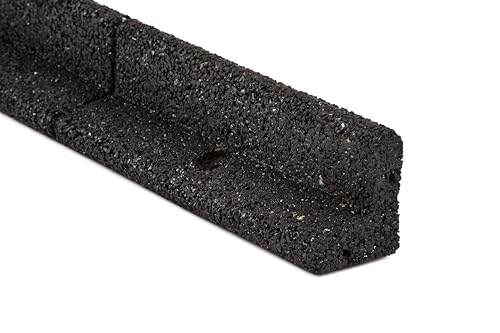
- No digging required
- Black rubber construction
- Hardware included
Best For: Simple, modern garden borders
Permanent Mulch Border
Recycled Rubber Pathway Border
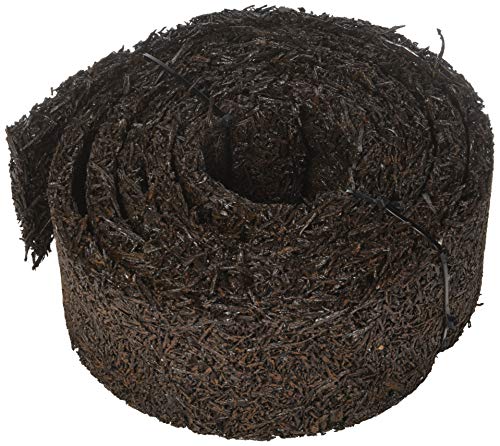
- Rolls out for easy installation
- Helps deter weeds
- Made from recycled rubber
Best For: Low-maintenance beds and pathways
Flexible Brown Border

- 40-foot flexible coil
- Includes 10 matching stakes
- Natural brown woodgrain look
Best For: Long, curved garden borders
Scalloped Recycled Rubber Border
Rubberific Smart-Loc Scalloped Edging

- Decorative scalloped profile
- 100% recycled rubber
- Three anchor stakes included
Best For: Classic-looking flower bed borders
Best Tall Flexible Pick
33-Foot Extra-Tall Plastic Edging

- 4-inch-high, 33-foot HDPE border
- Includes 50 reusable nylon stakes
- Flexible, cuttable, and no-dig
Best For: Tall DIY borders around beds, trees, and uneven ground
Best Long-Coverage Plastic Pick

- Covers 40 feet with 3-inch edging
- Includes 40 installation spikes
- Weather-resistant and easy to cut
Best For: Low-profile borders for beds, paths, lawns, and trees
Best Metal Pick
Galvanized Steel Landscape Edging

- 33 feet across 10 steel panels
- Hammer-in design with 11 stakes
- Rust-resistant, low-profile finish
Best For: Crisp, durable edges around paths, patios, lawns, and beds
Best Steel-Staked Pick
Reinforced 100-Foot Garden Edging

- 150 steel stakes for firm anchoring
- Reinforced design helps prevent curling
- Two 50-foot rolls simplify installation
Best For: DIY flower beds, tree rings, and hard-soil borders
Best Flexible Rubber Value
100-Foot Tool-Free Lawn Border

- Flexible weather-resistant rubber construction
- Includes 150 six-inch anchoring stakes
- Works around curves and uneven terrain
Best For: Flexible borders around beds, paths, and lawn edges
Best Tall Metal Alternative
Pre-Rusted 6-Inch Landscape Edging

- Taller 6-inch profile contains mulch and soil
- Flexible corrugated metal forms custom shapes
- Pre-rusted finish suits rustic landscapes
Best For: Raised beds, tree rings, and taller structural borders
No-Dig Rubber Border – EcoBorder L Landscape Edging
For a straightforward rubber garden edging installation, the EcoBorder L uses a no-dig design and includes hardware. Its black, modern profile creates a clean boundary for landscape areas without requiring trenching.
Best For: Gardeners who want a low-effort, modern-looking border with no digging required.
Pros:
- No-dig installation helps simplify setup.
- Made from rubber and designed in a clean black finish.
- Includes hardware for securing the edging.
Cons:
- The 2.75-inch width provides a relatively subtle border.
- The supplied notes do not specify the included hardware type or installation details.
This is a practical rubber garden edging choice when easy installation and a restrained modern appearance matter more than a wide decorative profile.
Permanent Mulch Border – Recycled Rubber Pathway Border
This rubber garden edging doubles as a mulch-like pathway border, helping create a tidy boundary while discouraging weeds. The 10-foot recycled-rubber strip rolls out for installation and can be cut around beds, trees, and paths.
Best For: Garden beds and pathways where weed deterrence, a scatter-proof surface, and minimal maintenance are priorities.
Pros:
- Roll-out design supports easy installation.
- Can be cut for custom fitting around trees, beds, and paths.
- Recycled rubber construction is lightweight and designed for long-term use.
- Allows air, water, and nutrients to reach plants while helping deter weeds.
Cons:
- Its mulch-like pathway design may not suit gardeners seeking a traditional raised edge.
- Only one 10-foot piece is included.
Choose this option when you want rubber garden edging that blends border control with a low-maintenance, mulch-style appearance.
Flexible Brown Border – Amazon Basics Edging Coil
Although it is made from recycled plastic rather than rubber, this flexible garden edging coil is a useful alternative for creating long borders. The 40-foot roll bends into curves or structured boxes and includes 10 matching stakes.
Best For: Large garden layouts, lawn edges, raised beds, and pathways requiring a long, flexible border.
Pros:
- Provides 40 feet of edging for larger projects.
- Flexible construction supports curves as well as straight or boxed layouts.
- Includes 10 stakes to help secure the border.
- Brown faux-woodgrain styling blends with outdoor landscaping.
Cons:
- It is recycled plastic, not rubber garden edging.
- The supplied notes do not indicate that the stakes are heavy-duty.
This coil is worth considering if coverage and layout flexibility are more important than choosing a true rubber material.
Scalloped Recycled Rubber Border – Rubberific Smart-Loc Scalloped Edging
Rubberific Smart-Loc Rubber 4-Foot Scalloped Landscape Edging Border - 1 Pack, Red
Check Price On AmazonThe Rubberific Smart-Loc adds a decorative scalloped profile to rubber garden edging while helping contain flower beds and landscaping. Made in the USA from 100% recycled rubber, it uses three anchor stakes and a no-dig installation approach.
Best For: Flower beds and landscape areas that need a classic brick-red accent with a finished decorative edge.
Pros:
- Scalloped design gives beds a classic, finished appearance.
- Made in the USA from 100% recycled rubber.
- Designed not to freeze or crack, according to the supplied product notes.
- Includes three heavy-duty anchor stakes and supports no-dig installation.
Cons:
- One pack covers only 4 feet.
- At 2 inches wide, the border has a relatively narrow profile.
- The red color may not coordinate with every landscape style.
This is the most decorative true rubber option in the group, suited to buyers who want recycled material and a prominent scalloped look.
Best Tall Flexible Pick – 33-Foot Extra-Tall Plastic Edging
If you need rubber garden edging with extra height and plenty of anchoring points, this 33-foot flexible plastic kit is worth considering. Its 4-inch-high HDPE border can be cut to fit, while the included spiral stakes support installation around beds, trees, and uneven areas.
Best For: Gardeners who want a tall, flexible border for flowerbeds, trees, sloped ground, or custom landscaping layouts.
Pros:
- Provides 33 feet of 4-inch-high edging for more visible separation.
- Flexible HDPE material can be cut and shaped for custom layouts.
- Includes 50 reusable, rust-resistant nylon spiral stakes.
- No digging is required for installation.
Cons:
- Plastic construction may have a less decorative appearance than metal edging.
- The extra height may be more than needed for low-profile borders.
This is a practical choice when coverage, height, and flexibility matter most. The no-dig setup and large stake count make it especially useful for DIY projects across varied soil and terrain.
Best Long-Coverage Plastic Pick – 40-Foot No-Dig Garden Border
For straightforward rubber garden edging installation over a longer run, the Gardzen 40-foot plastic border offers broad coverage and a no-dig design. The weather-resistant material is flexible enough to cut for custom layouts and helps contain mulch, pebbles, and other landscape materials.
Best For: Flowerbeds, pathways, lawns, and tree surrounds where you want a clean, understated 3-inch border.
Pros:
- Supplies 40 feet of edging for larger landscaping projects.
- Includes 40 spikes for securing the border every two to three holes.
- Weather-resistant plastic is flexible and easy to cut.
- Designed to avoid interference with mowing and routine yard work.
Cons:
- The 3-inch height offers less visible separation than taller edging.
- Plastic may not provide the same rigid feel as steel.
Choose this model if you prioritize length and simple installation over a highly visible or heavy-duty border. Its moderate height suits neat, low-profile lawn and garden transitions.
Best Metal Pick – Galvanized Steel Landscape Edging
If you prefer a crisp, durable alternative to rubber garden edging, this galvanized steel system creates a low-profile boundary for lawns, pathways, patios, and flowerbeds. The 10-pack covers 33 feet, and each panel uses a hammer-in design with an underground stake section for anchoring.
Best For: Gardeners seeking a modern metal edge with strong anchoring and clean separation between hardscape and planting areas.
Pros:
- Galvanized, powder-coated steel is designed for outdoor durability and rust resistance.
- Ten 40-inch panels provide 33 feet of total edging.
- Hammer-in installation avoids the need for digging.
- Panels can be cut or bent for curves, corners, and custom designs.
Cons:
- Includes 11 stakes, fewer anchoring pieces than the plastic kits in this roundup.
- At 2 inches visible above ground, it creates a subtler border.
- Steel weighs more than plastic and may be less forgiving during handling.
This is the strongest style choice of the three for a crisp, architectural finish. Its low visible profile keeps the edge understated while the galvanized steel construction supports long-term outdoor use.
Best Steel-Staked Pick – Reinforced 100-Foot Garden Edging
If you want rubber garden edging that stays firmly anchored, this 100-foot Bluepro kit stands out for its included steel stakes and reinforced strip. The two 50-foot rolls are easier to handle than one large coil, while the flexible design supports both curves and straight borders.
Best For: Flower beds, tree rings, gravel-to-soil borders, and DIY layouts where strong anchoring matters.
Pros:
- Includes 150 steel stakes designed to penetrate hard or clay soil.
- Reinforced center line helps resist curling and warping in the sun.
- Two 50-foot rolls are easier to unroll and maneuver.
- No-dig setup uses pre-punched tabs and shears for trimming.
Cons:
- The edging is plastic rather than rubber.
- At 2 inches tall, it offers a relatively low visible border.
Choose this option when secure installation and manageable roll sizes are more important than a taller or metal border. Its steel anchors make it particularly practical for firmer ground.
Best Flexible Rubber Value – 100-Foot Tool-Free Lawn Border
This MIXC option is a straightforward choice for rubber garden edging, offering a 100-foot roll, flexible material, and 150 anchoring stakes. It can be warmed in the sun, shaped around curves or circular beds, and trimmed to suit different landscaping layouts.
Best For: Flower beds, mulched areas, rock gardens, walkways, and uneven yard borders.
Pros:
- Weather-resistant rubber bends for straight, curved, and circular designs.
- Includes 150 six-inch stakes for securing the full roll.
- Tool-free installation approach requires only a rubber mallet.
- Suitable for flat and uneven terrain when properly staked.
Cons:
- Plastic stakes may be less robust than the steel stakes in some alternatives.
- Soil may need watering first when the stakes are difficult to insert.
- The 2-inch height creates a subtle rather than tall border.
This is a practical flexible-border pick if you specifically want rubber material and broad coverage. The high stake count helps maintain position, although installation may require softened soil in harder areas.
Best Tall Metal Alternative – Pre-Rusted 6-Inch Landscape Edging
Although it is not rubber garden edging, this corrugated metal border is worth considering when you need a taller, more structural edge. Its 6-inch profile helps contain soil, mulch, and gravel, while the pre-rusted finish adds a rustic appearance that develops further over time.
Best For: Raised beds, tree surrounds, vegetable gardens, mulch containment, and taller lawn borders.
Pros:
- Six-inch height provides more visible separation than 2-inch edging.
- Flexible metal can form straight lines, curves, circles, and custom contours.
- Rounded rolled edges improve handling safety compared with sharp exposed edges.
- Pre-rusted finish adds a rustic look and develops a deeper patina.
Cons:
- It is metal, not rubber, so it may not suit buyers seeking a soft flexible border.
- Hard soil may require a narrow trench before installation.
- Cutting to length requires metal scissors and protective gloves.
Pick this edging when height, soil retention, and rustic styling outweigh the convenience of a lightweight rubber strip. Installation is still manageable, but hard ground and custom cuts require more preparation.
How We Picked the Best Rubber Garden Edging
We evaluated these options by comparing material, stated dimensions, flexibility, installation hardware, border height, coverage, and likely use cases. Because the selection includes Rubber Garden Edging alongside plastic and metal alternatives, the guide also highlights where each material makes the most sense. We prioritized products that can create a defined edge without requiring specialized landscaping equipment.
We also considered practical installation concerns: whether stakes are included, how easily sections or coils can follow curves, and whether the edging is better suited to mulch, soil, lawns, pathways, or raised beds.
Quick Comparison
| Best For | Recommended Type | What to Look For |
|---|---|---|
| Curved flower beds | Flexible rubber or plastic | Easy bending, adequate stakes, and simple joining |
| Mulch containment | Recycled rubber or taller edging | Height of at least 3 to 4 inches and secure anchoring |
| Long borders | 40- to 100-foot coils | Coverage, included stakes, and manageable installation |
| Formal, straight lines | Metal edging | Rigid construction, strong anchors, and corrosion resistance |
| Decorative borders | Scalloped or colored edging | Visible finish that complements the landscape |
Key Buying Factors for Rubber Garden Edging
Material and Durability
Rubber and recycled rubber are flexible, resilient, and less likely to crack when exposed to routine impacts than brittle plastic. They are a strong choice for beds beside lawns or walkways. Plastic is often lighter and more economical, while metal provides a sharper, more permanent-looking edge but may require more care during installation.
Height and Coverage
Choose the height based on what the border must contain. A low profile works for visual separation and grass control, while taller edging is more useful for mulch, soil, and gravel. Measure the total perimeter and add extra length for overlaps, corners, mistakes, and curved layouts.
Stakes and Installation
Included stakes can significantly simplify installation, but quantity matters. Soft or curved ground may need more anchors than the package provides. Before installing, mark the line, remove roots and stones, and create a shallow trench if you want the top edge to sit more securely and look less exposed.
Shape and Appearance
Flexible coils are convenient for curves, whereas rigid sections can produce straighter, more uniform lines. Consider whether you want the edging hidden at ground level or used as a visible decorative feature. Dark rubber typically blends into mulch and soil, while colored, scalloped, or rusted finishes make the border more noticeable.
Who Should Buy Which Rubber Garden Edging?
Choose Rubber Garden Edging if you want a flexible, durable border for curved beds, lawn boundaries, or mulch areas. Recycled-rubber styles are particularly suitable when impact resistance and a substantial appearance matter. Select plastic edging for lightweight DIY projects, extensive coverage, and lower upfront cost. Metal edging is the better fit for crisp straight lines, raised beds, and installations where a firm, long-lasting boundary is the priority.
For the best result, match the product’s height and included hardware to your soil conditions and border length rather than choosing by price alone.