Choosing the right planer can make rough lumber, edge cleanup, and final smoothing much easier. The best handheld wood planers combine control, blade quality, and the right cutting width for your projects.
Whether you want a compact block plane, a traditional bench plane, or a corded electric model, this roundup helps you narrow the options quickly and shop with confidence.
Best 10 Handheld Wood Planers Picks for 2026
Precision Low-Angle Block Plane
JORGENSEN No.60-1/2 6-1/4" Wood Planer

- O1 tool steel blade for efficient cutting
- Adjustable depth and adjustable mouth
- Ductile iron body for rugged use
Best For: Detail woodworking and small trimming jobs
Classic Smoothing Plane
Amazon Basics No.4 Adjustable Precision
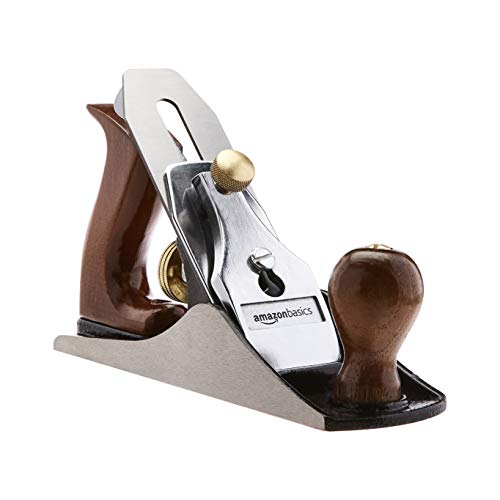
- Cast iron body adds stability
- Contoured wood handles improve control
- Adjustable gear for precise results
Best For: Smoothing and carpentry touch-ups
Powered Fast-Removal Planer
WEN 6530 6-Amp Electric Hand Planer
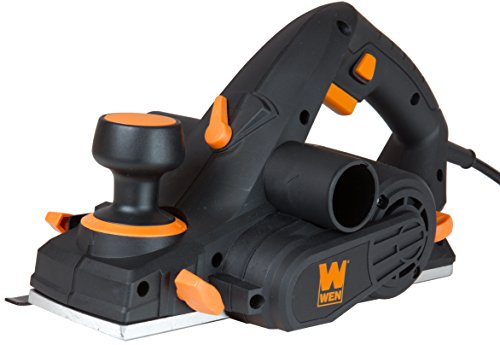
- 6 amp motor for quick planing
- 16 depth stops for control
- Includes rabbeting guide and dust bag
Best For: Fast stock removal and rabbeting
Compact Detail Block Plane
JORGENSEN No.102 Low Angle Block Plane

- O1 tool steel blade for precise cuts
- Adjustable depth with polished flat bottom
- Ductile iron body for durability
Best For: Small projects and edge cleanup
Wide-Capacity Electric Planer
WEN 6534 8-Amp 4-3/8-Inch Planer
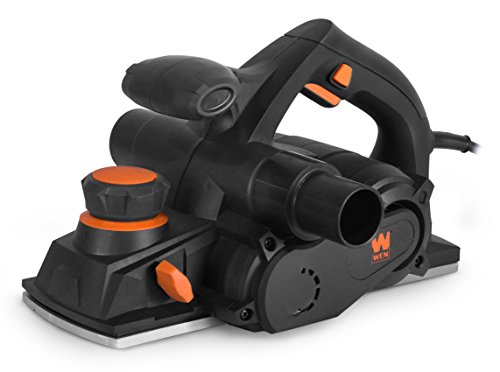
- 8-amp motor up to 32,000 cuts per minute
- 4-3/8-inch capacity for 2x4s and 4x4s
- 16 depth stops with two-way dust port
Best For: Users who need a wider electric planer for larger lumber
Manual Smoothing Pick
Amazon Basics No.4 Adjustable Bench Plane

- 2-inch steel blade for precise smoothing cuts
- Adjustable mouth and depth gauge for control
- Cast-iron body with front and rear handles
Best For: Woodworkers focused on smoothing and finishing by hand
Compact Electric Planer
WEN 6528 3.8-Amp 2-3/8-Inch Planer

- 3.8-amp motor with up to 32,000 cuts per minute
- Lightweight 4.3-pound design for easy handling
- 9 depth stops with onboard wrench storage
Best For: People who need a compact electric planer for smaller jobs
Best smoothing plane

- O1 tool steel blade
- Ductile iron body
- Adjustable cutting depth
Best For: controlled smoothing and general woodworking prep
Best powered option
Hand Planer Corded 7.5A Electric Planer

- 7.5A motor at 16,000 RPM
- 3-1/4" planing width
- Edge guide and dust bag included
Best For: fast stock removal and chamfering
Best for detail work
JORGENSEN No.101 Mini Wood Planer

- Compact portable design
- O1 tool steel blade
- Adjustable cutting depth
Best For: detail trimming, crafts, and small woodworking tasks
Precision Low-Angle Block Plane – JORGENSEN No.60-1/2 6-1/4" Wood Planer
If you want a compact option in handheld wood planers for trimming, polishing, deburring, and other detail work, this JORGENSEN low-angle block plane is built for controlled, fine cuts. Its O1 tool steel blade, adjustable mouth, and ductile iron body make it a practical choice for small woodworking tasks and DIY projects.
Best For: Detail woodworking, edge cleanup, and small crafting projects that need a portable manual plane.
Pros:
- Professional O1 tool steel blade is designed for efficient cutting and repeat sharpening.
- Adjustable cutting depth and adjustable mouth help tune the plane for different tasks.
- Ductile iron body and stainless steel parts are made for rugged, heavy-duty use.
- Compact, portable size suits trimming, polishing, and deburring work.
Cons:
- Manual operation means it is better suited to smaller jobs than rapid stock removal.
- Sharp blade requires careful handling during setup and use.
This is a solid pick if you want a durable, adjustable block plane for precise hand work rather than broad surfacing. It leans toward control and versatility, which is exactly what many handheld wood planers are chosen for.
Classic Smoothing Plane – Amazon Basics No.4 Adjustable Precision
Among handheld wood planers, this No. 4 smoothing bench plane is aimed at general woodworking and carpentry projects that need stable, precise results. The cast iron body, contoured wood handles, and adjustable gear make it a straightforward manual plane for smoothing and fine tuning surfaces.
Best For: Smoothing work, carpentry touch-ups, and users who want a stable bench plane with a traditional feel.
Pros:
- Durable cast iron body adds stability and strength during use.
- Impact-resistant wood handle with contoured grip supports control.
- Steel alloy blade is built to make quality cuts.
- Adjustable gear helps you dial in more precise results.
Cons:
- At 3.8 pounds, it is less compact than smaller block planes.
- Best suited to smoothing and carpentry work rather than very fine detail tasks.
This is a dependable bench plane choice if you prefer a heavier, steadier feel for surface refinement. It focuses on consistency and control, which makes it a practical all-around manual planer for shop use.
Powered Fast-Removal Planer – WEN 6530 6-Amp Electric Hand Planer
If you need handheld wood planers that can remove material quickly, this corded electric model stands out for speed and convenience. With a 6 amp motor, up to 34,000 cuts per minute, and 16 depth stops, it is designed for faster planing jobs, rabbets, and general wood shaping.
Best For: Faster material removal, rabbeting, and users who want an electric alternative to manual planes.
Pros:
- 6 amp motor delivers up to 34,000 cuts per minute.
- 16 positive stops let you adjust cutting depth from 0 to 1/8 inch.
- Can make rabbets up to 1 inch with the included guide.
- Lightweight 6-pound design is easier to handle on longer jobs.
Cons:
- Corded electric design is less portable than manual planes.
- Not as suited to ultra-fine hand-finishing as a traditional bench or block plane.
This is the right pick when speed matters more than finesse. It gives you the power and setup options to handle more aggressive planing tasks without relying on elbow grease.
Compact Detail Block Plane – JORGENSEN No.102 Low Angle Block Plane
This low-angle block plane is a good fit if you want handheld wood planers for accurate trimming, polishing, and deburring in a compact form. Its O1 tool steel blade, adjustable depth, and polished flat bottom are aimed at smooth, controlled cuts for woodworking and crafts.
Best For: Fine control on small wood projects, edge cleanup, and detail-oriented manual planing.
Pros:
- O1 tool steel blade is sharpened for efficient cutting and repeated reuse.
- Adjustable cutting depth helps you work at different depths.
- Polished flat bottom supports smooth operation.
- Ductile iron body is built for rugged, heavy-duty use.
Cons:
- Manual design is better for detail work than for removing large amounts of material.
- Sharp blade means careful operation is important.
This plane is a strong option when precision matters more than speed. It keeps the design simple, durable, and controllable, making it a practical tool for small, accurate woodworking tasks.
Wide-Capacity Electric Planer – WEN 6534 8-Amp 4-3/8-Inch Planer
If you want handheld wood planers that can handle bigger stock, the WEN 6534 is built for efficient material removal on common framing lumber. Its 8-amp motor, 4-3/8-inch cutting capacity, and 16 depth stops make it a practical choice for flattening and trimming 2x4s and 4x4s with controlled passes.
Best For: DIYers and shop users who need a wider electric hand planer for faster work on larger boards.
Pros:
- 8-amp motor delivers up to 32,000 cuts per minute.
- 4-3/8-inch cutting capacity suits 2x4s and 4x4s.
- 16 positive stops let you set cutting depth from 0 to 1/8 inch.
- Includes dust adapter, reversible blades, fence bracket, rabbeting guide, and kickstand.
Cons:
- Heavier than compact models at 9.5 pounds.
- Best suited to users who want a powered planer rather than a manual tool.
This is a strong all-around option if you value width, adjustment control, and included accessories. The two-way dust port and rabbeting setup add convenience for common planing tasks.
Manual Smoothing Pick – Amazon Basics No.4 Adjustable Bench Plane
Among handheld wood planers, this manual bench plane is aimed at careful smoothing rather than fast stock removal. The 2-inch steel blade, adjustable mouth, and depth gauge give you the control needed for trimming, finishing, and dialing in clean surface results.
Best For: Woodworkers who want a manual bench plane for smoothing, trimming, and finishing work.
Pros:
- 2-inch high-quality steel blade supports precise planing.
- Adjustable mouth and depth gauge help fine-tune cuts.
- Cast-iron body adds stability and reduces vibration.
- Front and rear handles improve control and comfort.
Cons:
- Manual operation is slower than electric handheld wood planers.
- Requires setup and blade maintenance for best results.
This is a practical choice when finish quality matters more than speed. It fits well in a workshop for smoothing edges, trimming doors, and general woodworking tasks.
Compact Electric Planer – WEN 6528 3.8-Amp 2-3/8-Inch Planer
If you want a lighter handheld wood planer for smaller jobs, the WEN 6528 keeps things simple and portable. Its 3.8-amp motor, 2-3/8-inch cutting width, and 4.3-pound weight make it a convenient option for quick planing tasks where maneuverability matters.
Best For: Users who want a lightweight electric planer for smaller woodworking jobs.
Pros:
- 3.8-amp motor delivers up to 32,000 cuts per minute.
- Lightweight 4.3-pound design is easy to handle.
- 9 positive stops adjust depth from 0 to 1/16 inch.
- Includes onboard wrench storage and a kickstand.
Cons:
- 2-3/8-inch cutting width is narrower than larger planers.
- Shallower maximum cut depth than the wider WEN model.
This model makes sense when you want an affordable-feeling, easy-to-maneuver planer for smaller boards and lighter cleanup. It trades capacity for portability and straightforward operation.
Best smoothing plane – JORGENSEN No.4 10" Wood Plane
If you’re comparing handheld wood planers for smoothing and cleanup work, this JORGENSEN No. 4 is built like a traditional bench plane with modern durability. Its O1 tool steel blade, ductile iron body, and adjustable cutting depth make it a practical choice for trimming, deburring, polishing, and general woodworking surface prep.
Best For: Woodworkers who want a manual planer for smoothing, shaping, and controlled stock removal.
Pros:
- O1 tool steel blade is sharpenable and designed for efficient cutting.
- Ductile iron body and aluminum alloy lever cap are made for rugged use.
- Adjustable depth knob makes it easier to match different planing needs.
- Flat bottom and beechwood handle support smoother, more comfortable operation.
Cons:
- Manual operation means slower material removal than a powered planer.
- At 10 inches wide, it’s better suited to bench work than tight detail tasks.
This is a solid option if you want a durable hand tool for controlled planing rather than fast bulk removal. It fits well in a woodworking kit where consistency, adjustability, and a traditional feel matter more than speed.
Best powered option – Hand Planer Corded 7.5A Electric Planer
For shoppers focused on handheld wood planers that remove material quickly, this corded electric model is the most aggressive option in the group. The 7.5A motor, 16,000 RPM speed, and 3-1/4″ planing width are designed for fast passes, while the edge guide, V-groove base, and dust bag help it do more than just rough trimming.
Best For: DIYers and pros who want a corded planer for fast stock removal, chamfering, and edge work.
Pros:
- 7.5A motor and 16,000 RPM support fast, smooth cuts.
- 3-1/4″ planing width covers standard lumber in one pass.
- 30-stage depth knob offers up to 3mm depth adjustment.
- Edge guide, V-groove base, and dust bag add useful jobsite features.
Cons:
- Corded design limits mobility compared with cordless tools.
- Best suited to powered planing tasks, not fine manual finishing.
If speed and versatility matter most, this planer is the most efficient choice here. It’s especially practical for rough stock removal, straight edge work, and chamfering where a manual plane would take longer.
Best for detail work – JORGENSEN No.101 Mini Wood Planer
When you need handheld wood planers for small corrections, crafts, or tight spaces, this mini JORGENSEN plane is the most compact pick. It uses an O1 tool steel blade, a ductile iron body, and an adjustable depth design, giving you a small tool that still aims for precise trimming, deburring, and detail woodworking.
Best For: Beginners, crafters, and woodworkers who need a compact plane for detail tasks.
Pros:
- Small, portable size is ideal for detail woodworking and crafts.
- O1 tool steel blade can be sharpened and reused.
- Adjustable cutting depth helps with controlled material removal.
- Polished flat bottom is designed for smooth operation.
Cons:
- Mini size makes it less suitable for larger planing jobs.
- Manual tool, so it’s slower for substantial stock removal.
This is the best fit if your work is precise rather than heavy-duty. It’s a compact plane that makes sense for small woodworking projects where portability and control matter more than speed.
How We Picked the Best Handheld Wood Planers
We focused on practical factors that matter most for real woodworking: cutting performance, ease of adjustment, comfort, build quality, and overall versatility. For Handheld Wood Planers, that means considering both manual planes for finesse work and electric models for faster material removal.
We also looked at blade width, motor power where relevant, and how well each tool fits common tasks like smoothing boards, trimming doors, easing edges, and flattening high spots.
Quick Comparison
Manual planes are usually the better choice for precision, quiet operation, and small correction work. Electric Handheld Wood Planers are better when you need speed, repeatable stock removal, or larger surfaces to flatten. Within those groups, smaller block planes are more maneuverable, while larger bench planes and wider electric models handle broader cuts more efficiently.
Key Buying Factors for Handheld Wood Planers
Planer Type
Choose a block plane for detail work, a bench plane for smoothing and general woodworking, or an electric planer if your priority is fast removal. The best option depends on whether you value finesse or productivity.
Cutting Width and Depth
Wider planers cover more surface in fewer passes, but narrower models are easier to control. Check the maximum depth of cut and make sure it matches the kind of lumber cleanup you do most often.
Blade and Adjustment Quality
Sharp, stable blades make a big difference in cut quality. Easy depth and angle adjustments help reduce tear-out and make Handheld Wood Planers more predictable, especially on hardwoods or figured grain.
Ergonomics and Control
Comfortable handles, balanced weight, and a steady grip matter during long sessions. If you work on-site or overhead, a lighter and more compact planer may be the better fit.
Dust and Chip Management
With electric models, chip ejection and dust collection can improve visibility and cleanup. This is especially helpful for indoor work or smaller shops where debris control matters.
Who Should Buy Which Handheld Wood Planers?
If you want precision and low-cost simplicity, a manual plane is the right starting point. If you need speed for trimming doors, leveling boards, or removing stock quickly, choose a corded electric planer. Beginners usually benefit from a straightforward, easy-to-adjust model, while experienced woodworkers may prefer a higher-control plane for fine tuning and finishing passes.
In short, the best Handheld Wood Planers are the ones matched to your workflow: compact for detail, traditional for control, and electric for faster results.