Curved flower beds look polished when the border follows the planting line smoothly instead of forcing it into straight segments. The right edging can also hold back mulch, soil, and grass while making mowing and maintenance easier.
This roundup compares 10 garden edging options for curved beds, from lightweight plastic coils and decorative no-dig borders to durable steel designs. Use the buying guide below to match the material, height, installation method, and finish to your landscape.
Best 10 Garden Edging for Curved Beds Picks for 2026
Best Value Flexible Border
Amazon Basics Landscape Edging Coil

- 40-foot flexible brown plastic coil
- Includes 10 matching stakes
- Creates curves or structured borders
Best For: Long, natural-looking plastic borders
Best No-Dig Option
Flexible PP Edging with 100 Spikes

- No-dig installation for quick setup
- Flexible for curved beds and tree rings
- 33-foot kit includes 100 spikes
Best For: Fast DIY curved-bed borders
Best Tall Steel Coil

- 6-inch flexible steel coil
- Rust-proof powder-coated finish
- Includes 10 stakes for installation
Best For: Curved beds needing taller material containment
Best Heavy-Duty Kit
Galvanized Steel Landscape Edging

- Flexible galvanized steel for custom curves
- Rust- and weather-resistant finish
- Includes stakes, clips, gloves, and manual
Best For: Durable DIY borders with a complete kit
Rustic Steel Choice
Corten Steel Curved-Border Edging

- Pre-rusted corten steel for all-weather durability
- Bendable 40-inch sections for curved layouts
- 33 feet across 10 pieces with included clips
Best For: Rustic curved flower beds, paths, and garden borders
Decorative DIY Option
EasyFlex Adirondack Wood-Look Edging
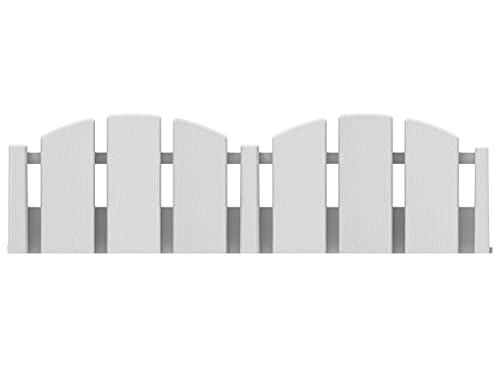
- Built-in spines form curves and tree rings
- No-dig setup includes 13 anchoring spikes
- 15-foot decorative plastic edging kit
Best For: Small curved beds, trees, and lightweight DIY installations
Heavy-Duty Pick
Corrugated Metal Garden Edging

- Flexible galvanized steel for custom curves
- 6-inch height and 40-foot length
- Corrugated design with rolled safety edges
Best For: Durable curved and custom-shaped garden borders
Easy DIY Pick
Pound-In Plastic Landscape Edging
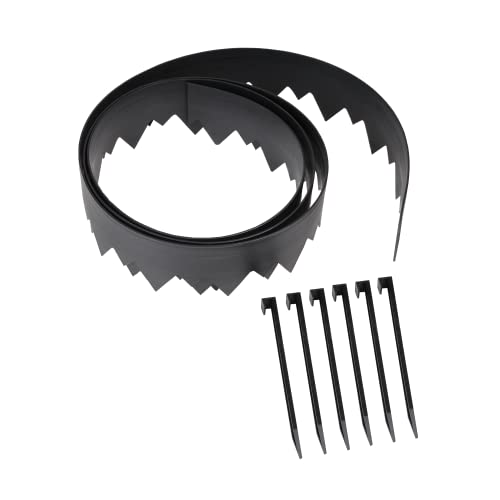
- Flexible coil follows tight curves
- Minimal ground preparation required
- Includes six anchoring stakes
Best For: Quick curved borders around plants and trees
Decorative Pick

- Stone-look finish for a decorative border
- Built-in spines bend around curves
- Includes 24 spiral anchoring spikes
Best For: Low-profile curved beds and tree rings
Best Value Flexible Border – Amazon Basics Landscape Edging Coil
For garden edging for curved beds, this 40-foot recycled-plastic coil offers an approachable way to shape smooth curves or structured borders. Its brown faux-woodgrain finish blends with landscaping, while the included stakes help keep the edging in position.
Best For: Gardeners who want a long, flexible plastic border for flower beds, lawns, paths, or raised beds.
Pros:
- Flexible enough for custom curves and box-shaped layouts
- 40-foot coil covers substantial border length
- Includes 10 matching securing stakes
- Brown faux-woodgrain appearance has a natural look
Cons:
- Plastic construction may provide less rigid reinforcement than steel
- The 5-inch width may require installation planning around the desired finished height
This is a practical, versatile choice when appearance, coverage, and easy shaping matter more than a metal edging profile.
Best No-Dig Option – Flexible PP Edging with 100 Spikes
This no-dig edging is designed for fast installation, making it a convenient option for garden edging for curved beds. The thickened polypropylene bends around curves, while its reinforced ribs and generous spike count help maintain a stable border.
Best For: DIY projects needing quick installation around curved flower beds, tree circles, paths, or lawn borders.
Pros:
- No-dig design can be installed without trenching or professional tools
- Flexible PP material bends smoothly around curves
- 33-foot version includes 100 eight-inch spikes
- Reinforced structure is described as crack-resistant and shape-stable
Cons:
- At 2 inches wide, it provides a lower profile than taller edging options
- Plastic construction may not offer the same visual or structural weight as steel
Choose this model when installation speed and a large supply of securing spikes are priorities, especially for smaller-scale or frequently adjusted layouts.
Best Tall Steel Coil – Anleolife Green Garden Edging
For garden edging for curved beds that needs a taller barrier, this 6-inch green steel coil combines flexible shaping with a weather-resistant finish. Burying part of the edging leaves up to 4 inches above ground to help contain mulch, soil, or pebbles.
Best For: Flower beds, tree rings, and curved lawn borders where extra height and a low-visibility green finish are useful.
Pros:
- 6-inch height can hold up to 4 inches of material when installed as directed
- 20-foot coil bends for curves or straight lines
- Powder-coated 1.1-millimeter steel is rust-, weather-, and UV-resistant
- Includes 10 stakes for securing the border
Cons:
- Hard or rocky soil may require a narrow trench and backfilling
- At 20 feet, it covers less length than the 33- or 40-foot plastic options
This is a strong fit for gardeners who want a more substantial barrier than plastic while retaining the ability to form smooth curves around beds and trees.
Best Heavy-Duty Kit – Galvanized Steel Landscape Edging
This galvanized-steel kit is a durable choice for garden edging for curved beds, with sections that can be shaped into arcs, circles, rectangles, or other layouts. Its hammer-in installation and included accessories make it suited to DIY borders that need a clean, defined profile.
Best For: Gardeners creating durable curved borders around flower beds, tree rings, vegetable plots, paths, or lawns.
Pros:
- Flexible metal sections can form custom curves and shapes
- Galvanized, powder-coated steel resists rust, fading, and weather
- Kit includes eight edging pieces, stakes, clips, gloves, and a manual
- Hammer-in design is intended for quick installation without lawn damage
Cons:
- Hard ground may need to be softened with water before installation
- Its 26.6-foot total length is shorter than some plastic coil options
With its steel construction and complete installation kit, this option makes sense when long-term border definition and a more substantial edging appearance are the main goals.
Rustic Steel Choice – Corten Steel Curved-Border Edging
For garden edging for curved beds with a natural, weathered look, this corten steel option offers flexible 40-inch sections that can be molded into custom shapes. Its 4.5-inch height is suited to flower beds, paths, and other areas where you want a defined border without extensive digging.
Best For: Curved flower beds, pathways, and rustic landscape designs requiring durable metal edging.
Pros:
- Pre-rusted corten steel is designed for all-weather, maintenance-free use.
- Flexible sections can be bent and molded around curved borders.
- Ten 40-inch pieces provide 33 feet of total edging, with clips for added stability.
- No-dig installation lets you insert the edging into soil and secure it with clips.
Cons:
- The pre-rusted finish may not suit modern or polished landscape styles.
- At 4.5 inches tall, it may provide less separation than taller edging.
This is a practical pick when you want substantial metal edging and a deliberately aged appearance. The segmented design is especially useful for shaping curved beds while keeping installation relatively straightforward.
Long-Run Modern Pick – 50-Foot Black Corrugated Metal Edging
For larger projects involving garden edging for curved beds, this 50-foot black metal roll provides extended coverage with a flexible corrugated profile. It can follow curves, straight runs, and tight corners, while the 5.5-inch height helps separate grass, mulch, soil, or gravel.
Best For: Large gardens, multiple borders, and contemporary landscapes needing long, flexible metal edging.
Pros:
- 50 feet of edging covers large yards or several landscaping projects.
- Flexible galvanized steel bends around curves and can be cut with shears or tin snips.
- Black coating and corrugated styling create a clean, modern border.
- No trenching is required; the ridged design helps grip the soil when pressed or lightly hammered in.
Cons:
- Cutting requires garden shears or tin snips.
- The roll format may require more handling than short, pre-cut sections.
This option stands out for coverage and height, making it a strong choice for long curved beds or coordinated borders across a larger yard. Its black finish is better suited to gardeners who prefer a modern decorative edge over a weathered-metal appearance.
Decorative DIY Option – EasyFlex Adirondack Wood-Look Edging
When choosing garden edging for curved beds, this EasyFlex kit combines a decorative wood-look design with no-dig installation. Its built-in spines allow the plastic sections to bend around curves and tree rings, while the included spikes secure a 15-foot installation.
Best For: DIY gardeners who want a lightweight, decorative border for raised beds, trees, and curved garden layouts.
Pros:
- Built-in spines help form curves and tree rings while also allowing straight sections.
- No trenching is needed; the included spikes are driven into tabs with a rubber mallet.
- Plastic construction is designed to withstand string trimmers, temperature changes, and seasonal ground movement.
- The kit includes 12 edging pieces and 13 eight-inch anchoring spikes for 15 feet.
Cons:
- The 15-foot kit covers less area than the metal alternatives.
- Plastic may be less suitable for shoppers specifically seeking metal edging.
This is a convenient choice for smaller curved beds where appearance and simple installation matter most. The white Adirondack wood-look finish gives it a distinctly decorative style, while the included spikes make it accessible for a straightforward DIY project.
Heavy-Duty Pick – Corrugated Metal Garden Edging
For garden edging for curved beds, the LAVEVE Corrugated Metal Garden Edging offers a flexible, substantial border that can be shaped around flower beds, pathways, lawns, and other custom layouts. Its 6-inch height and 40-foot length provide ample material for larger projects.
Best For: Gardeners wanting a durable metal border for curved or custom-shaped beds.
Pros:
- Galvanized steel construction is designed for strength and year-round outdoor use.
- Flexible material can bend into custom shapes and can be cut to fit.
- Corrugated texture helps improve structural strength and impact resistance.
- U-shaped rolled hems provide smoother top and bottom edges.
Cons:
- Its metal construction may be more substantial than needed for small decorative borders.
- The 6-inch height may not suit projects seeking a very low-profile edge.
This is a strong choice when durability, height, and flexible shaping matter more than a lightweight installation. The black finish also gives the border a clean, modern appearance.
Easy DIY Pick – Pound-In Plastic Landscape Edging
For garden edging for curved beds, EasyFlex Pound-In Landscape Edging combines flexible recycled plastic with a straightforward pound-in installation. The 20-foot coil can follow tight curves around plants and trees while the included stakes add stability.
Best For: DIY gardeners who want flexible curved edging with minimal ground preparation.
Pros:
- Flexible plastic installs in straight lines or tight curves.
- Pound-in design avoids the need for extensive trenching.
- Includes six anchoring stakes for added stability.
- Designed to withstand string trimmers, temperature changes, and seasonal ground movement.
Cons:
- The 4.5-inch straight-top profile may offer less decorative detail than stone-look edging.
- Installation requires scoring the soil and using a rubber mallet.
This edging is a practical option for quickly defining curved beds without hiring a professional. Its coil format is especially useful when the border needs to flow around existing plants or trees.
Decorative Pick – Stone-Look No-Dig Edging
For garden edging for curved beds, EasyFlex No-Dig Landscape Edging adds a decorative stone-look finish while using built-in spines to bend around curves and tree rings. The 15-foot kit includes edging pieces and spiral spikes for a complete installation.
Best For: Raised flower beds, gardens, and tree rings where a decorative low-profile border is preferred.
Pros:
- Built-in spines allow the pieces to bend into curves and tree rings.
- No-dig installation avoids trenches and shovels.
- Stone-look design adds decorative appeal to garden borders.
- Includes 24 eight-inch spiral anchoring spikes.
Cons:
- At 2.7 inches tall, it provides a lower border than the other listed options.
- The kit covers 15 feet, so larger beds may require additional material.
- Color may vary because of the manufacturing process.
This kit suits gardeners who want a finished decorative look with a simple no-dig setup. Its lower height keeps the border subtle while the flexible joints accommodate curved layouts.
How We Picked the Best Garden Edging for Curved Beds
We focused on products that can follow gradual or tight curves without creating obvious kinks. The comparison considers flexibility, material durability, border height, installation style, included stakes or clips, and the amount of edging supplied. We also looked for options suited to different priorities, including fast installation, strong soil retention, decorative appeal, and long-term weather resistance.
Product dimensions and included hardware vary, so confirm the listed length and accessory count before ordering. A flexible coil may need separate anchors for a secure finish, while no-dig kits typically include spikes designed for their specific border.
Quick Comparison
| Best For | Recommended Type | Why It Works |
|---|---|---|
| Budget-friendly curves | Flexible plastic coil | Easy to shape and simple to cut |
| Low-effort installation | No-dig plastic edging | Uses anchoring spikes rather than a trench |
| More visible soil retention | 6-inch steel edging | Provides a taller, sturdier barrier |
| Modern landscape design | Corrugated or galvanized steel | Adds a defined architectural border |
| Rustic appearance | Corten or wood-look edging | Creates a decorative finish around beds |
Key Buying Factors for Garden Edging for Curved Beds
Flexibility and Curve Radius
Plastic and thin-gauge metal generally form curves more easily than thick, rigid sections. For tight bends, choose edging described as flexible or bendable, and avoid forcing sharp angles that can buckle the border. Mark the curve first with a hose or landscape paint to estimate how much material you need.
Material and Weather Resistance
Plastic is lightweight, affordable, and resistant to rust, but it can become brittle or shift if poorly anchored. Galvanized and rust-resistant steel offer greater rigidity and a crisp edge. Corten steel is intentionally pre-rusted for a weathered appearance; it should be installed where runoff will not stain light-colored paving.
Height, Depth, and Installation
A taller edge contains more mulch and soil, while a lower border is less visually prominent. Pound-in and no-dig styles are convenient for established lawns, but hard or rocky ground may require pilot holes. Burying part of the edging usually improves stability and helps prevent grass from growing underneath.
Length and Accessories
Measure the complete perimeter and add extra length for overlaps, curves, and mistakes. Check whether the package includes stakes, spikes, clips, or connectors. More anchors are helpful on tight curves, slopes, and areas exposed to lawn equipment.
Who Should Buy Which Garden Edging for Curved Beds?
Choose a flexible plastic coil if you want an economical, lightweight border for gently curved beds and pathways. Select a no-dig plastic kit when quick installation and a decorative profile matter more than maximum soil retention. For a stronger, more permanent-looking edge, choose galvanized or rust-resistant steel, especially around gravel, mulch, or sloped beds. Corten steel suits gardeners who want a warm, rustic finish, while wood-look and stone-look options work well when the border should coordinate with an existing hardscape.