Choosing the right cedar raised garden bed can make planting easier, improve drainage, and help you build a more productive garden in less space. Cedar is a popular choice because it naturally resists rot and looks great in both backyard and patio settings.
Below, we’ve rounded up 10 options for different needs, from compact beds for herbs to larger elevated planters for vegetables and flowers.
Best 10 Cedar Raised Garden Bed Picks for 2026
Premium No-Tool Cedar Bed
Infinite Cedar 3' x 6' x 11" Raised Garden Bed

- 1-inch-thick Western Red Cedar
- No-tool assembly in minutes
- Made in Maine with 5-year warranty
Best For: Compact vegetable gardens with fast, tool-free setup
Ergonomic Elevated Cedar Bed
Gardener's Supply 2' x 8' Planter Box

- 29-inch height eases bending
- Cedar with rustproof aluminum supports
- Easy assembly with included guide
Best For: Raised planting on patios and decks with less strain
Large Deep Cedar Bed
Infinite Cedar Select 4' x 8' x 17.5"

- 4' x 8' size for bigger gardens
- 17.5-inch depth for more soil
- Pre-cut and pre-drilled boards
Best For: Expanded vegetable beds and deeper-root planting
Compact Elevated Cedar Bed
EARTH ELEVATED 18" x 48" x 30" Planter

- 30-inch height for easier access
- Built-in drainage for container growing
- Compact size for balconies and patios
Best For: Small-space gardening with an ergonomic elevated design
Cedar backyard staple
Greenes Fence 2' x 8' Cedar Bed
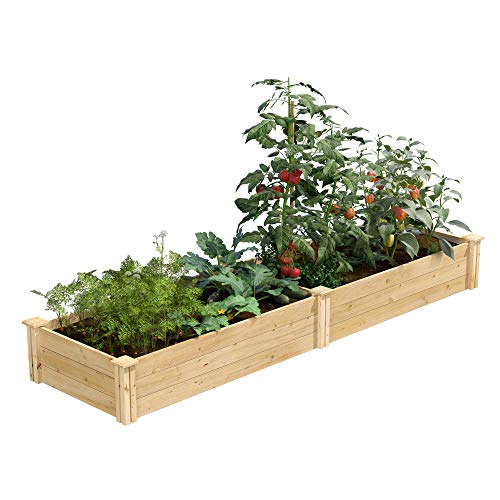
- Untreated 100% solid American cedar
- Tool-free dovetail assembly
- 10.5-inch deep, 2' x 8' planting space
Best For: Backyard gardeners who want a roomy cedar bed for edible and ornamental plants
Elevated deep planter
Best Choice Products 16-Inch Wood Bed

- 16-inch soil depth for root crops
- Elevated 30-inch height for easier access
- Built-in drainage and sturdy fir wood frame
Best For: Patios, balconies, and small yards where easy access matters
Compact cedar starter
Greenes Fence 2' x 4' Cedar Bed

- Untreated 100% solid American cedar
- Tool-free dovetail assembly
- Compact 2' x 4' footprint with 10.5-inch depth
Best For: Small yards and starter gardens needing a compact cedar bed
Flexible Long Bed
Yaheetech 8×2ft Wooden Horticulture Raised Garden Bed

- Divisible into two growing areas
- Open-bottom, weather-resistant design
- Easy screw-together assembly
Best For: Flexible backyard or patio planting
Tall Cedar Grower
BlueWish 72 Outdoor Cedar Garden Bed

- Untreated cedar wood construction
- 30-inch ergonomic planting height
- 8 drainage holes for water flow
Best For: Backyard growers wanting easier access
Compact Elevated Bed
SoliWood 48x24x30 Raised Garden Bed

- Thick legs for added stability
- 30-inch height with protective liner
- Water-based eco finish
Best For: Small outdoor spaces and easier gardening access
Premium No-Tool Cedar Bed – Infinite Cedar 3' x 6' x 11" Raised Garden Bed
If you want a cedar raised garden bed that keeps setup simple, this 3′ x 6′ option is a practical pick. It uses 1-inch-thick North American Western Red Cedar, is made without added chemicals or stains, and assembles in minutes with no tools required.
Best For: Gardeners who want a durable, natural-looking raised bed that is quick to assemble and sized for compact vegetable plots.
Pros:
- 1-inch-thick Western Red Cedar is rot resistant and built for outdoor use.
- No-tool assembly makes it easy to set up quickly.
- No screws, nails, or dovetail corners to loosen or break.
- Made in Maine with a 5-year warranty.
Cons:
- At 11 inches high, it offers less soil depth than taller beds.
- Smaller footprint than large family garden layouts.
This is a straightforward cedar bed for buyers who value natural materials, simple assembly, and a sturdy build over extra height or maximum growing volume.
Ergonomic Elevated Cedar Bed – Gardener's Supply 2' x 8' Planter Box
This cedar raised garden bed is designed for gardeners who want easier access without bending or kneeling. With a 29-inch height, cedar lumber construction, and aluminum legs and corners, it fits well on a patio, deck, or backyard space.
Best For: Patio and backyard growers who want an elevated planter that is easier on the back and knees.
Pros:
- 29-inch standing height reduces stooping and kneeling.
- Weather-resistant cedar paired with rustproof aluminum hardware.
- Made in the USA and tested in real outdoor garden environments.
- Easy assembly with included screws and planting guide.
Cons:
- More expensive-style elevated design than a basic ground bed.
- 10-inch planting depth may be limiting for deeper-rooted crops.
For gardeners prioritizing comfort and accessibility, this elevated cedar bed offers a sturdy, well-made setup with a manageable footprint and a practical growing height.
Large Deep Cedar Bed – Infinite Cedar Select 4' x 8' x 17.5"
If you need a larger cedar raised garden bed with more room for roots, this 4′ x 8′ model is built for serious growing. It uses 100% natural Western Red Cedar, comes with pre-cut and pre-drilled boards, and offers a deeper 17.5-inch profile for vegetables, flowers, or other plants.
Best For: Gardeners who want a bigger, deeper raised bed for expanded vegetable growing or mixed planting.
Pros:
- Large 4′ x 8′ footprint gives ample growing space.
- 17.5-inch height offers more soil depth than standard low beds.
- Pre-cut, pre-drilled parts simplify assembly.
- No added chemicals or pressure treating.
Cons:
- Large size requires more yard or garden space.
- Assembly still uses bolts and nuts rather than a tool-free design.
This is a strong choice for gardeners who want a substantial cedar bed with a natural finish, straightforward setup, and enough depth to handle a broader range of plants.
Compact Elevated Cedar Bed – EARTH ELEVATED 18" x 48" x 30" Planter
This cedar raised garden bed is aimed at smaller spaces where you still want a comfortable planting height. Built from Canadian cedar wood, it includes built-in drainage and is sized for patios, balconies, decks, and other confined areas.
Best For: Apartment balconies, patios, and small outdoor areas where an elevated planter is easier to maintain.
Pros:
- 30-inch elevated design reduces strain on the back and knees.
- Built-in drainage helps support healthy container growing.
- Compact footprint works well in tight spaces.
- Tools are provided for easy assembly.
Cons:
- Smaller planting area than full-size ground raised beds.
- Best suited to herbs, flowers, and compact vegetable plantings.
For gardeners working with limited space, this elevated cedar bed offers a practical mix of accessibility, drainage, and a compact footprint that fits urban settings well.
Cedar backyard staple – Greenes Fence 2' x 8' Cedar Bed
If you want a classic cedar raised garden bed for vegetables, herbs, and flowers, this Greenes Fence option delivers a simple, roomy layout with untreated North American cedar. The 2′ x 8′ footprint gives you a generous planting area, while the 10.5-inch depth is useful for deeper-root crops and healthier root development.
Best For: Gardeners who want a large, untreated cedar bed for backyard growing.
Pros:
- Made from 100% solid American cedar with no chemical treatments or glue laminations
- Tool-free dovetail assembly makes setup straightforward
- 10.5-inch soil depth supports vegetables, herbs, flowers, and deeper roots
- Spacious 2′ x 8′ footprint suits fuller backyard planting plans
Cons:
- Large footprint may be too big for compact patios or small yards
- Floor-standing design is less portable than elevated planter boxes
This is a solid pick if you want a natural cedar bed with a practical, no-fuss build and plenty of planting room. It is especially appealing for gardeners who prioritize untreated wood and a straightforward rectangular layout.
Elevated deep planter – Best Choice Products 16-Inch Wood Bed
This cedar raised garden bed alternative is actually a fir wood elevated planter, but it stands out for gardeners who want a deeper, easier-to-reach setup. With 16 inches of soil depth and a 30-inch overall height, it is designed for comfortable planting on patios, balconies, decks, and smaller backyards.
Best For: Small-space gardeners who want an elevated planter with extra soil depth.
Pros:
- 16-inch planting depth supports root vegetables like carrots, beets, and radishes
- Elevated height makes planting and harvesting easier on your back
- Built-in drainage helps keep soil breathable and properly watered
- Solid fir wood construction includes reinforced corner posts and thick panels
Cons:
- Uses fir wood rather than cedar
- Smaller footprint limits total growing space compared with larger beds
If you want a raised bed for limited spaces, this model offers a practical mix of depth, elevation, and drainage. It is a good fit for gardeners who value easier access and a compact footprint over the classic cedar look.
Compact cedar starter – Greenes Fence 2' x 4' Cedar Bed
If you are looking for a smaller cedar raised garden bed, this Greenes Fence model keeps the same untreated cedar construction and tool-free assembly in a more compact footprint. The 2′ x 4′ size is easier to place in small yards or starter gardens, while the 10.5-inch depth still gives vegetables and herbs useful growing room.
Best For: Small-yard gardeners and beginners who want a compact cedar bed.
Pros:
- Made from 100% solid American cedar with no chemical treatments
- Tool-free dovetail system simplifies assembly
- 10.5-inch depth works for vegetables, herbs, flowers, and deep-root crops
- Compact 2′ x 4′ size fits smaller spaces more easily
Cons:
- Less planting space than the larger 2′ x 8′ version
- Floor-standing design may not suit gardeners wanting an elevated bed
This is the better choice if you want the benefits of a natural cedar raised garden bed without committing to a large layout. It is a straightforward, space-saving option for smaller growing areas and first-time gardeners.
Flexible Long Bed – Yaheetech 8×2ft Wooden Horticulture Raised Garden Bed
This cedar raised garden bed alternative is built for gardeners who want a long, flexible planting area for vegetables, flowers, or herbs. Its 8×2 ft footprint, open-bottom design, and divisible layout make it practical for backyards, patios, and greenhouse setups where simple organization matters.
Best For: Gardeners who want a long, customizable bed with flexible planting zones.
Pros:
- Divisible design creates two planting areas or one larger bed.
- Upgraded corner posts support more flexible multi-bed combinations.
- Open bottom and drainage help with outdoor growing and soil management.
- Simple screw-together assembly keeps setup straightforward.
Cons:
- Made from fir wood, not cedar wood.
- Unfinished natural wood may need extra protection for some users.
Overall, this is a strong pick if you want a roomy, adaptable raised bed and value easy expansion over premium cedar construction. The stable side panels and practical size make it a good fit for organized growing spaces.
Tall Cedar Grower – BlueWish 72 Outdoor Cedar Garden Bed
If you want a cedar raised garden bed with a more comfortable working height, this elevated planter is designed to reduce bending while giving plants solid drainage. The 2×6 ft footprint and 6.8 cubic feet of space make it suitable for vegetables, flowers, and herbs in outdoor setups.
Best For: Gardeners who want a raised cedar planter that’s easier on the back.
Pros:
- Made from untreated cedar wood for a natural, non-toxic planting environment.
- 30-inch height helps reduce bending while tending plants.
- Eight drainage holes support healthy water flow and help prevent root rot.
- Generous 6.8 cubic feet of planting space supports mixed plantings.
Cons:
- Assembly may be easier with a power drill.
- Wood is unfinished, so some users may want to oil, seal, or stain it.
For gardeners who want the look and benefits of cedar plus a more ergonomic setup, this model covers the basics well. Its height, drainage, and solid capacity make it a practical outdoor growing option.
Compact Elevated Bed – SoliWood 48x24x30 Raised Garden Bed
This cedar raised garden bed is aimed at gardeners who want a sturdy elevated planter with a compact footprint. With 30-inch height, a liner, and thick legs, it offers a practical setup for flowers, herbs, or vegetables where comfort and protection both matter.
Best For: Small-space gardeners who want a sturdy elevated cedar planter with a liner.
Pros:
- Thick 2.4-inch legs and 0.7-inch frame panels add stability.
- 30-inch height makes gardening more comfortable and helps protect plants from pets or animals.
- Water-based eco finishing is designed to avoid harmful substances.
- Included liner adds another layer of plant protection.
Cons:
- Smaller 48 x 24 inch footprint offers less growing room than larger beds.
- 300 lb weight capacity is lower than some larger cedar planter options.
This is a good choice if you want a compact elevated planter with a thoughtful build and a cleaner finish. It balances usability, protection, and simple assembly in a size that works well for smaller outdoor areas.
How We Picked These Cedar Raised Garden Beds
We focused on practical factors that matter most to real buyers: cedar quality, build style, size, depth, stability, drainage, and ease of assembly. We also looked for a mix of in-ground and elevated designs so different gardeners can find the right fit.
Because a Cedar Raised Garden Bed can be used for anything from salad greens to deep-rooted vegetables, we prioritized options that balance growing space with durability and everyday convenience.
Quick Comparison: What to Expect
In this roundup, smaller footprint beds are best for patios, balconies, and tight garden layouts, while larger frames suit backyard growers who want more planting volume. Elevated models reduce bending and are often easier to maintain, especially for older gardeners or anyone with limited mobility.
Deeper beds generally support a wider range of crops, while shallower beds can work well for herbs, lettuce, and many flowers. Look closely at whether the product is built for direct ground placement or raised on legs, since that changes both comfort and planting capacity.
Key Buying Factors for a Cedar Raised Garden Bed
Material and Cedar Type
Not all cedar is identical. Western Red Cedar and Canadian cedar are commonly chosen for outdoor use because they hold up well against moisture and decay. Check whether the bed uses solid cedar boards, thicker panels, or a cedar finish over another frame.
Height and Depth
Depth affects what you can grow. Shallow beds are suitable for herbs and greens, while deeper beds are better for root vegetables and heavier soil loads. Elevated planters should also be tall enough to be comfortable without feeling unstable.
Drainage and Airflow
Good drainage helps prevent waterlogged soil and root problems. Features like open bottoms, drainage holes, or raised feet can improve airflow and keep plants healthier over time.
Frame Strength and Hardware
Look for reinforced corners, sturdy legs, and weather-resistant fasteners. A Cedar Raised Garden Bed should stay square and secure after repeated watering and seasonal changes.
Who Should Buy Which Cedar Raised Garden Bed?
If you want a classic garden layout for a backyard plot, choose a larger ground-level bed with enough depth for mixed planting. If comfort matters most, an elevated planter is the better choice because it reduces bending and makes tending plants easier.
For first-time gardeners or smaller spaces, a compact cedar bed is usually the most flexible and affordable starting point. For more ambitious growers, a larger or deeper model gives you room to scale up with vegetables, companion planting, and longer-season crops.