Conference rooms need clean air without distracting noise, bulky equipment, or complicated upkeep. The right purifier can help reduce airborne particles, odors, and common allergens during meetings and presentations.
This roundup compares 10 promising options across coverage levels, filter designs, smart controls, and operating costs so you can match a purifier to your room size, occupancy, and maintenance preferences.
Best 10 Air Purifiers for Conference Rooms Picks for 2026
Best Large-Room Pick

- Cleans up to 1,881 sq. ft. in one hour
- True HEPA plus high-deodorization carbon filtration
- App control and automatic air-quality sensing
Best For: Large conference rooms needing broad coverage and odor reduction
Best Compact Option
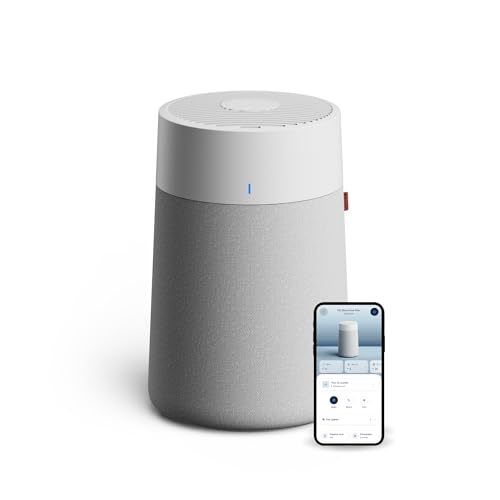
- Quiet operation as low as 19 dB
- HEPASilent filtration captures dust, smoke, and allergens
- App control with automatic air-quality adjustment
Best For: Small conference rooms and quiet shared workspaces
Best Low-Maintenance Pick

- Rated for rooms up to 650 sq. ft.
- Long-lasting NeverChange HEPA filtration
- Real-time CleanSense IQ air-quality display
Best For: Medium rooms where easy maintenance and visible monitoring matter
Best High-Coverage Value

- Designed for spaces up to 2,600 sq. ft.
- Triple air intake supports broad circulation
- PM2.5 display, Auto Mode, and 20 dB Sleep Mode
Best For: Large conference rooms and open meeting areas
Reliable Office Classic

- HEPA filter captures 99.97% of allergens as small as 0.1 microns
- Activated carbon helps reduce odors and smoke
- Three fan speeds with quiet mode
Best For: Small conference rooms and private offices
Smart High-Capacity Pick

- AHAM-verified CADR ratings for smoke, dust, PM2.5, and pollen
- Dual three-stage filters with washable pre-filters
- AQI display, Auto Mode, ECO Mode, and quiet Sleep Mode
Best For: Medium conference rooms needing automatic monitoring
Large-Room Smoke Specialist

- Stated coverage of up to 2,200 square feet
- PM2.5 sensor with automatic fan adjustment
- Three-stage filtration with washable pre-filter
Best For: Large conference rooms and smoke-prone meeting areas
Best AHAM-Verified Pick

- AHAM verified with published CADR ratings
- Quiet 24 dB Sleep Mode
- Compact three-in-one filtration
Best For: Smaller conference rooms and offices needing verified performance
Best Large-Room Coverage
FreAire Large-Room HEPA Purifier

- Stated coverage up to 2,600 square feet per hour
- PM2.5 sensor with automatic fan adjustment
- Washable framed pre-filter
Best For: Large conference rooms needing broad coverage and Auto Mode
Best Smart Compact Design

- 360-degree intake for up to 1,800 square feet
- Real-time PM2.5 display and Smart Auto
- Quiet 20 dB Sleep Mode
Best For: Meeting rooms wanting compact monitoring and automatic control
Best Large-Room Pick – WINIX 5510
For larger conference rooms, the WINIX 5510 combines broad rated coverage with automatic air-quality sensing, True HEPA filtration, and odor-reducing carbon filtration. Its app support also makes it practical for monitoring or adjusting the unit without interrupting a meeting.
Best For: Large conference rooms where coverage, odor reduction, and remote control matter.
Pros:
- Rated to clean spaces up to 1,881 square feet in one hour.
- True HEPA filtration captures airborne allergens, smoke, dust, pollen, and pet dander.
- Auto Mode adjusts fan speed using a built-in air-quality sensor.
- Winix Smart App support, quiet 23.5 dB low-speed operation, and Sleep Mode.
Cons:
- Its 25.2-inch height may require more floor space than compact units.
- The product is designed for electric operation rather than portable, cord-free use.
The 5510 is a strong choice among air purifiers for conference rooms when one unit needs to address a sizable space. The visible air-quality indicator and app controls are useful additions for shared professional environments.
Best Compact Option – Blueair Blue Pure 511i Max
The Blue Pure 511i Max is a compact option for smaller conference rooms, huddle spaces, and offices. Its HEPASilent filtration, low 19 dB operation, and app-connected air-quality monitoring make it easy to run during presentations or calls.
Best For: Small conference rooms and shared offices where quiet, space-saving operation is important.
Pros:
- Rated to clean up to 1,138 square feet in one hour.
- HEPASilent filtration captures 99.97% of airborne particles down to 0.1 microns.
- Operates as quietly as 19 dB for minimal meeting distraction.
- App control, automatic fan adjustment, and filter replacement reminders.
Cons:
- Its compact-room positioning may make it less suitable for very large conference areas.
- It has fewer listed control options than units with full onboard touch controls.
For buyers comparing air purifiers for conference rooms where noise and footprint are priorities, the 511i Max is an appealing fit. Its 360-degree intake and lightweight 2.8-pound design also simplify placement around furniture.
Best Low-Maintenance Pick – Shark NeverChange HP152
The Shark NeverChange HP152 emphasizes straightforward maintenance for shared spaces. Its long-lasting filter, real-time CleanSense IQ display, washable debris screens, and odor-neutralizing cartridge make it a practical choice for conference rooms that need simple day-to-day operation.
Best For: Medium-sized conference rooms seeking visible air-quality feedback and reduced filter replacement hassle.
Pros:
- Purifies up to 650 square feet in one hour.
- Anti-Allergen NanoSeal captures 99.98% of particles based on the supplied test standard.
- NeverChange filtration is designed to reduce replacement-filter costs.
- Real-time air-quality display, washable debris protection, and dimmable lights.
Cons:
- Its rated coverage is lower than the larger-room models in this roundup.
- The odor-neutralizer cartridge releases a scent, which may not suit every workplace.
The HP152 fits conference rooms where staff want clear feedback without complicated controls. Its 650-square-foot rating makes it better suited to moderate-size rooms than open-plan meeting areas.
Best High-Coverage Value – FreAire HAP605
FreAire Air Purifiers for Bedroom, HEPA Air Purifier with Washable Filter & Air Quality Display, Po
Check Price On AmazonThe FreAire HAP605 is built for high-coverage spaces, using triple air intake and automatic fan adjustment based on PM2.5 readings. For air purifiers for conference rooms, its Turbo Pet Mode is less central than its circulation design, washable pre-filter, and quiet display-off Sleep Mode.
Best For: Large conference rooms and open meeting areas needing broad circulation and simple physical controls.
Pros:
- Designed for spaces up to 2,600 square feet.
- Triple air intake draws air from the front and both sides.
- Real-time PM2.5 display and Auto Mode adjust operation as air quality changes.
- 20 dB Sleep Mode turns off display lights, while the pre-filter can be rinsed and reused.
Cons:
- Main-filter replacement is recommended every 3–6 months, depending on conditions.
- Genuine FreAire replacement filters are recommended for fit and airflow.
- The supplied details do not list app or remote-control support.
The HAP605 is a compelling large-space option when physical controls and visible PM2.5 readings are enough. Its triple-intake layout may be especially useful in rooms where furniture and seating create uneven airflow paths.
Reliable Office Classic – GermGuardian AC4825E
For smaller meeting spaces, the GermGuardian AC4825E is a straightforward option among air purifiers for conference rooms. Its tower design uses HEPA and activated carbon filtration to help capture allergens, dust, pollen, pet dander, smoke, and everyday odors, while three fan speeds make it easy to adjust airflow.
Best For: Small conference rooms, private offices, and meeting spaces where a compact tower with HEPA filtration and odor reduction is useful.
Pros:
- HEPA filtration captures 99.97% of allergens as small as 0.1 microns, according to the supplied specifications.
- Activated carbon helps reduce scents from cooking, pets, smoke, and renovations.
- Three speeds include a quiet sleep mode, and the unit is CARB, ETL, and Zero Ozone Verified.
Cons:
- The listed 153-square-foot rapid-circulation coverage is better suited to smaller rooms than large boardrooms.
- It uses a rotary dial and does not list automatic air-quality monitoring.
The AC4825E is a practical pick when you want recognizable HEPA filtration in a narrow, easy-to-place tower. For larger conference rooms, check the room size carefully and consider whether its manual controls provide enough convenience.
Smart High-Capacity Pick – KNKA APH4000
The KNKA APH4000 stands out among air purifiers for conference rooms when room monitoring and flexible operation matter. Its dual three-stage filters, AQI display, and AHAM-verified CADR ratings provide useful performance indicators, while the front-and-back intake design is intended to improve circulation.
Best For: Medium-sized conference rooms and offices that benefit from real-time air-quality feedback, automatic operation, and multiple filtration stages.
Pros:
- AHAM-verified smoke/dust/PM2.5 CADR is 226 CFM, with a pollen CADR of 244 CFM.
- Dual cartridges combine washable pre-filters, high-efficiency filtration, and activated carbon.
- AQI display, Auto Mode, ECO Mode, and four fan speeds support hands-off operation.
- Sleep Mode is rated as low as 22–24 dB.
Cons:
- The supplied specifications list 350 square feet for the main floor-area rating, despite a larger one-hour coverage claim.
- Filters are expected to be replaced every three to six months, depending on use.
For a conference room where staff want to see air-quality changes and let the purifier adjust itself, the APH4000 offers a strong feature set. Its dual-filter layout may also be useful in busier rooms, but confirm the intended coverage against your room’s size and layout.
Large-Room Smoke Specialist – MOOKA Large-Room Air Purifier
The MOOKA large-room purifier is a flexible choice among air purifiers for conference rooms, particularly where smoke, dust, odors, or changing air quality are concerns. It combines a three-stage filter with a PM2.5 sensor, Auto Mode, multiple air inlets, and a stated coverage area of up to 2,200 square feet.
Best For: Larger conference rooms, open meeting areas, and workplaces that need automatic response to smoke, odors, and fine particles.
Pros:
- Three-stage filtration targets PM2.5 particles, ash, pollen, pet dander, and odors.
- Built-in PM2.5 monitoring and Auto Mode can increase fan speed when smoke or odors are detected.
- Four fan speeds, timer settings, washable pre-filter maintenance, and a filter reminder add convenience.
- Sleep Mode is rated as low as 20 dB, and the unit is listed as CARB, ETL, and DOE certified.
Cons:
- The supplied notes do not provide a CADR figure, making direct airflow comparisons more difficult.
- The filter must be removed from its protective plastic bag before use and maintained according to the reminder.
- Aromatherapy and child-lock features may be less relevant in a professional conference room.
The MOOKA is appealing when a larger room needs sensor-driven operation and broad particle and odor coverage. Its stated capacity is substantial, but buyers comparing purifiers for a specific conference room should verify airflow performance and placement requirements before choosing it.
Best AHAM-Verified Pick – Levoit Core 300-P
For conference rooms where dependable performance and quiet operation matter, the Levoit Core 300-P is a compact option among air purifiers for conference rooms. Its AHAM-verified CADR ratings, three-in-one filtration, and low-noise Sleep Mode make it practical for smaller meeting spaces and offices.
Best For: Smaller conference rooms and offices that need independently verified cleaning performance in a compact unit.
Pros:
- AHAM verified, with CADR ratings of 143 CFM for smoke, 153 CFM for dust, and 167 CFM for pollen.
- Refreshes a 222-square-foot room 4.8 times per hour, according to the supplied specifications.
- Operates at approximately 24 dB in Sleep Mode, with an option to turn off display lights.
- Three-in-one filtration captures 99.97% of tested 0.1–0.3-micron airborne particles.
Cons:
- The supplied room-performance rating is most compelling for smaller rooms; larger conference rooms may need a higher-capacity model.
- Replacement filters should be genuine Levoit filters for the intended fit and performance.
- Designed for 120V use in the United States.
The Core 300-P stands out when certification, measured CADR performance, and quiet operation are more important than covering a very large meeting area. Check the room size against its published ratings before choosing it for a conference room.
Best Large-Room Coverage – FreAire Large-Room HEPA Purifier
The FreAire large-room purifier is aimed at spacious meeting areas, making it a strong consideration among air purifiers for conference rooms with higher coverage needs. It combines a stated 2,600-square-foot hourly coverage figure with automatic fan control, a PM2.5 display, and a washable pre-filter.
Best For: Large conference rooms or shared spaces where broad stated coverage and automatic air-quality response are priorities.
Pros:
- Designed to refresh spaces up to 2,600 square feet per hour, according to the supplied notes.
- PM2.5 sensing and Auto Mode adjust fan speed as air quality changes.
- Four fan speeds, a 2/4/6/8-hour timer, and a filter reminder support flexible operation.
- The washable, framed pre-filter can be rinsed or vacuumed to help extend HEPA-filter life.
Cons:
- The supplied notes do not provide a CADR value, so direct performance comparisons may be difficult.
- Replacement filters are recommended every 3–6 months and should be official FreAire filters.
- Its 22 dB Sleep Mode is described for quiet use, but conference-room operation may require a higher fan setting.
This model is appealing when one purifier must serve a large room and respond automatically to changing air conditions. Verify the room layout and airflow needs, since the stated coverage figure is not a substitute for a published CADR comparison.
Best Smart Compact Design – ECOSELF HAP609
The ECOSELF HAP609 offers a space-efficient approach to air purifiers for conference rooms, with 360-degree air intake, real-time PM2.5 readings, and automatic fan control. Its compact footprint and simple top controls suit meeting rooms where visibility, portability, and quiet operation are useful.
Best For: Medium-to-large conference rooms that benefit from visible air-quality feedback and a compact, low-noise design.
Pros:
- 360-degree air intake is designed for spaces up to 1,800 square feet.
- Three-stage filtration combines a pre-filter, HEPA filter, and activated carbon layer.
- Real-time PM2.5 readings, four-color air-quality indication, and Smart Auto provide at-a-glance monitoring.
- 20 dB Sleep Mode, a 1–24-hour timer, and Child/Pet Lock add flexible controls.
Cons:
- The supplied details do not include a CADR rating, limiting direct comparison with certified models.
- Filter replacement is recommended every 3–6 months, depending on use and air conditions.
- Genuine ECOSELF replacement filters are recommended for fit and performance.
The HAP609 is a practical choice for buyers who want a small purifier with clear air-quality feedback and quiet operation. Its stated coverage is broad, but conference-room buyers should still consider actual occupancy, ceiling height, and airflow before relying on one unit.
How We Picked the Best Air Purifiers for Conference Rooms
We focused on models with practical room-coverage claims, HEPA or HEPA-style particle filtration, useful odor control, and features suited to shared professional spaces. We also considered noise expectations, control options, filter replacement, portability, and the difference between a manufacturer’s maximum coverage figure and effective cleaning during a busy meeting.
Because room layouts and ventilation vary, treat coverage numbers as a starting point rather than a guarantee. A purifier may clean a large open area over time, but a crowded conference room usually benefits from more airflow or multiple strategically placed units.
Quick Comparison
| What to compare | Best fit | What to check |
|---|---|---|
| Large-room coverage | Open conference rooms or training areas | CADR, airflow, and whether the rating assumes one-hour cleaning |
| Quiet operation | Video calls, presentations, and executive meetings | Low-speed noise, sleep or quiet modes, and fan-tone reviews |
| Odor reduction | Rooms near kitchens, cafés, or high-traffic areas | Activated-carbon filter size and replacement cost |
| Smart controls | Facilities teams managing multiple rooms | App reliability, scheduling, sensors, and manual controls |
| Low maintenance | Offices with limited facilities support | Filter life, washable prefilters, and replacement availability |
Key Buying Factors for Air Purifiers for Conference Rooms
Coverage and Airflow
Choose a unit rated above your room’s actual square footage when possible. High ceilings, open doors, frequent occupancy, and poor ventilation can all increase the cleaning demand. CADR is often more useful than a broad marketing coverage claim because it describes how quickly particles are removed.
Noise and Placement
Look for a purifier that can run quietly at a lower setting during meetings while offering a higher setting between sessions. Place it where airflow is not blocked, away from microphones and presentation screens, and avoid positioning it directly beside attendees where drafts may be distracting.
Filtration and Upkeep
A true HEPA filter is a strong choice for fine particles, while activated carbon can help with odors. Check how often filters need replacement, whether the prefilter is washable or vacuumable, and whether the correct replacement filter is easy to buy. A neglected purifier will not perform as intended.
Controls and Sensors
Particle sensors, auto mode, air-quality indicators, timers, and app support can simplify office use. However, dependable physical controls may matter more than smart features in shared rooms where different people operate the equipment.
Who Should Buy Which Air Purifiers for Conference Rooms?
Choose a high-coverage model for large boardrooms, training spaces, or rooms with frequent turnover. A compact, quieter unit may be better for smaller meeting rooms or video-call spaces. If odors are the main concern, prioritize substantial carbon filtration; if dust and allergy particles are the priority, emphasize HEPA performance and strong airflow.
Facilities teams managing several rooms should favor models with clear filter indicators, accessible replacement parts, and consistent controls. For occasional use, a simpler purifier can be sufficient. Whatever you choose, use the purifier alongside proper ventilation, HVAC maintenance, and sensible occupancy management rather than treating it as a replacement for fresh-air exchange.