Cold weather can slow decomposition, freeze food scraps, and make moisture management harder. The right compost bin helps protect active material from winter conditions while making turning, aeration, and harvesting easier.
We compared 10 outdoor composters across insulation, capacity, construction, ventilation, access, and ease of use to help you choose a setup that fits your climate, yard, and composting routine.
Best 10 Compost Bins for Cold Climates Picks for 2026
Heavy-Duty Modular Pick
Vego Garden 375-Gallon Metal Compost Bin

- Galvanized-steel construction
- Modular one-, two-, or three-bin setup
- Removable panels simplify harvesting
Best For: Large gardens and high-volume composting
Continuous-Batch Tumbler
45-Gallon Dual-Chamber Compost Bin

- Two independent 22.5-gallon chambers
- 360-degree tumbling with mixing ribs
- Adjustable vents for airflow and odor control
Best For: Easy batch composting with minimal hand mixing
Insulated Year-Round Choice
Quick Composter 30-Gallon Insulated Bin

- Insulated body and sealed cover
- Ventilation channel supports airflow
- Bottom reservoir collects leachate
Best For: Year-round kitchen-waste composting in colder conditions
Durable Twin-Chamber Value
VIVOSUN 43-Gallon Tumbling Composter

- Twin chambers for alternating batches
- 360-degree tumbling with deep fins
- Galvanized-steel frame and PP body
Best For: Mid-capacity batch composting in a home garden
Best Expandable Capacity
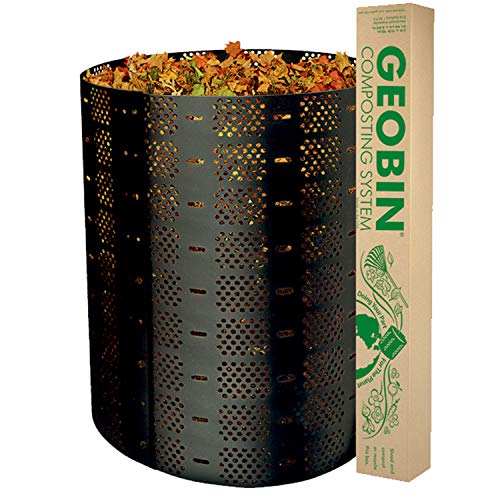
- Expandable, large-capacity design
- Excellent ventilation
- Lightweight and easy to move
Best For: Households needing a simple, spacious backyard compost bin
Best Rotating System
MAYGROVE 53-Gallon Compost Tumbler

- 360-degree rotating drum
- Dual chambers for continuous composting
- Includes thermometer and soil tester
Best For: Gardeners wanting controlled, low-maintenance composting
Best Large Metal Bin
170-Gallon Outdoor Mesh Composter

- 170-gallon capacity
- Rust-resistant coated metal
- Bottom door for harvesting compost
Best For: Households managing substantial kitchen and yard waste
Cold-Ready Capacity

- 80-gallon capacity for scraps and yard waste
- Four-sided ventilation supports airflow
- BPA-free PP plastic designed for cold outdoor use
Best For: Large households and gardeners in colder regions
Ventilated Winter Value
Simply Bio 80-Gallon Compost Bin
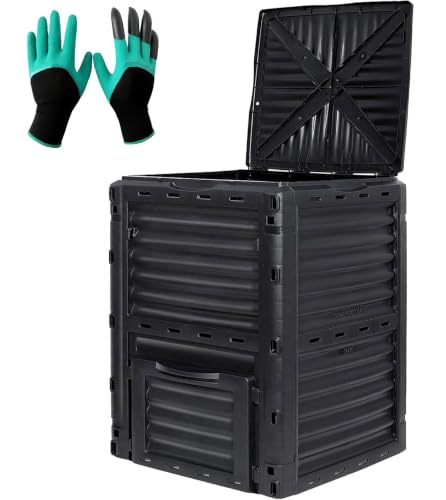
- Adjustable vents and deep fins improve airflow
- Black PP plastic helps retain heat and moisture
- Quick assembly with included glove and warranty
Best For: Gardeners seeking adjustable aeration in a cold-weather bin
Simple Seasonal Composting
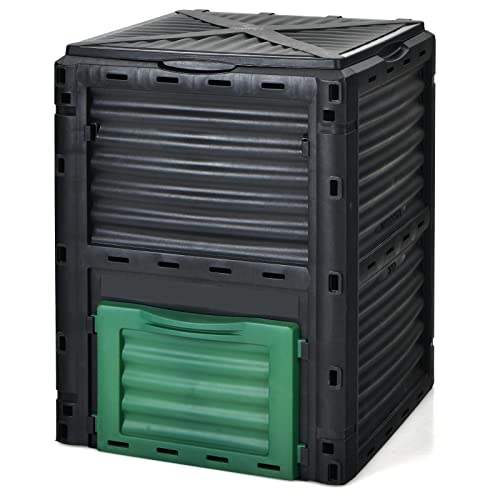
- Large 80-gallon capacity for household organic waste
- Weather-resistant BPA-free PP construction
- Tool-free assembly with vents and bottom exit door
Best For: Gardeners wanting simple, high-capacity outdoor composting
Heavy-Duty Modular Pick – Vego Garden 375-Gallon Metal Compost Bin
For gardeners comparing compost bins for cold climates, this large galvanized-steel system stands out for its durable construction and flexible capacity. Its modular design lets you configure one, two, or three bins, while removable panels make harvesting finished compost easier.
Best For: Large gardens and households with substantial kitchen and yard waste.
Pros:
- Galvanized steel is designed to resist corrosion and outlast wooden bins.
- Modular configuration can be set up with one, two, or three bins.
- Removable bottom panels and slats simplify compost removal and harvesting.
- Quick assembly does not require complex DIY plans.
Cons:
- The 90-inch length requires considerable outdoor space.
- Its open, non-insulated design may be less suited to small-space or highly contained composting.
This is a practical choice when capacity and long-term outdoor durability matter more than compactness. The removable access panels are especially useful for gardeners who want straightforward harvesting.
Continuous-Batch Tumbler – 45-Gallon Dual-Chamber Compost Bin
Among compost bins for cold climates, this dual-chamber tumbler offers a convenient way to keep batches moving without hand-mixing. Its two 22.5-gallon chambers, adjustable vents, and 360-degree rotation support an organized composting routine for kitchen and yard waste.
Best For: Beginners and gardeners who want separate active and finishing batches in a compact tumbler.
Pros:
- Dual chambers allow one batch to break down while the other receives fresh waste.
- 360-degree tumbling reduces the need for digging or shoveling.
- Adjustable vents help improve airflow and manage odors.
- Weather-resistant PP body and reinforced steel frame support outdoor use.
Cons:
- The 45-gallon capacity is smaller than a large stationary compost bin.
- Snap-together assembly may still require careful installation.
- Rotation requires enough clearance around the cylindrical unit.
This tumbler is a good fit for users who value simpler turning and batch separation. Its ventilation controls and sturdy frame add useful practicality, though it offers less total capacity than a full-size modular system.
Insulated Year-Round Choice – Quick Composter 30-Gallon Insulated Bin
For compost bins for cold climates, this insulated unit is designed specifically for year-round kitchen-waste composting. Its sealed construction helps limit cold-air penetration, while the internal ventilation channel supplies air to the center of the compost mass.
Best For: Households seeking an insulated indoor-or-outdoor-style composter for kitchen biowaste.
Pros:
- Thermal insulation and cover seals are designed to reduce cold-air entry.
- Integrated ventilation system can reduce the need for frequent mixing.
- Airtight lid and replaceable charcoal filter help control odors.
- Bottom reservoir collects leachate for diluted compost-tea use.
Cons:
- Its 30-gallon capacity is more limited than larger outdoor bins.
- The enclosed design is intended for kitchen biowaste rather than high-volume yard waste.
- Leachate handling adds an additional maintenance step.
This is the most climate-focused option in the group, combining insulation, ventilation, and odor control in one enclosed design. The included compost mixer and shovel also make it a convenient starting point for routine kitchen composting.
Durable Twin-Chamber Value – VIVOSUN 43-Gallon Tumbling Composter
VIVOSUN Outdoor Tumbling Composter Dual Rotating Batch Compost Bin, 43 Gallon Black Door
Check Price On AmazonThis VIVOSUN tumbler is a practical option for shoppers seeking compost bins for cold climates with weather-resistant construction and manageable batch rotation. Its twin chambers separate fresh and finishing material, while deep fins and air vents support mixing and aeration.
Best For: Home gardeners who want a durable, mid-capacity tumbler with straightforward batch management.
Pros:
- Twin chambers support continuous alternation between fresh and finishing compost.
- 360-degree tumbling avoids hand-digging and manual mixing.
- Galvanized-steel frame and PP body are described as corrosion- and weather-resistant.
- Included waterproof gloves with ABS claws add gardening utility.
Cons:
- The 43-gallon capacity may not suit high-volume yard waste.
- Turning requires enough space around the 36.5-inch-tall unit.
- The product depends on rotating batches rather than a stationary, expandable setup.
With its sturdy frame, twin chambers, and aeration-focused design, this tumbler offers a balanced approach for typical household composting. It is better suited to users who prefer rotating manageable batches over maintaining a large open pile.
Best Expandable Capacity – Geobin Compost Bin
For shoppers comparing compost bins for cold climates, the Geobin offers a simple, open-sided design with generous capacity and strong airflow. Its expandable structure is practical for handling changing amounts of kitchen scraps and yard waste.
Best For: Households that want a lightweight, expandable backyard compost bin with excellent ventilation.
Pros:
- Expandable design can accommodate a large volume of composting material.
- Easy to assemble, move, and reassemble using closure keys.
- Excellent ventilation supports airflow through the pile.
- Lightweight plastic construction weighs just 7 pounds.
Cons:
- Open cylindrical construction may offer less containment than an enclosed tumbler.
- The supplied details do not include insulation or temperature-control features specifically for freezing conditions.
The Geobin is a straightforward, high-capacity option for gardeners who prioritize ventilation, portability, and value. Its simplicity can be useful in cold regions, though winter performance will depend on placement and compost management.
Best Rotating System – MAYGROVE 53-Gallon Compost Tumbler
Among compost bins for cold climates, the MAYGROVE tumbler stands out for its controlled airflow and easy mixing. Its rotating drum, dual chambers, thermometer, and soil tester give gardeners several ways to monitor and manage the composting process.
Best For: Gardeners who want a low-maintenance tumbler with separate chambers and built-in monitoring tools.
Pros:
- 360-degree rotation and built-in mixing bars simplify turning.
- Dual chambers support continuous composting by separating fresh and finishing material.
- Adjustable air vents help manage airflow, moisture, and temperature.
- Includes a waterproof compost thermometer and 3-in-1 soil tester.
Cons:
- 53-gallon capacity is smaller than the largest stationary bins in this roundup.
- The supplied details do not state that the plastic drum is insulated for freezing temperatures.
- Assembly includes some screws, despite its snap-together design.
The MAYGROVE is a feature-rich choice for gardeners who want easier winter monitoring and mixing. Its steel frame and UV-resistant polypropylene construction are designed for outdoor use, while the dual-chamber layout helps maintain a steady composting routine.
Best Large Metal Bin – 170-Gallon Outdoor Mesh Composter
For compost bins for cold climates, this 170-gallon metal mesh composter provides substantial space for kitchen scraps and fallen leaves. Its coated metal construction, four-sided ventilation, and bottom access door are suited to gardeners managing larger outdoor piles.
Best For: Households with substantial kitchen and yard waste that want a large stationary composter.
Pros:
- 170-gallon capacity reduces the need for frequent emptying or turnover.
- Rust-resistant coating is designed for outdoor durability.
- Four-sided aeration vents promote oxygen flow without manual mixing.
- Bottom access door makes finished compost easier to harvest.
Cons:
- At 22.5 pounds, it is less portable than the lightweight Geobin.
- Assembly gloves are recommended, suggesting installation may require extra care.
- The supplied details do not mention insulation or a sealed design for extreme cold.
This bin is a practical fit for larger properties and gardeners who generate significant volumes of organic waste. Its metal frame and access door favor durability and convenient harvesting, while the mesh design emphasizes ventilation over winter insulation.
Cold-Ready Capacity – VEVOR 80-Gallon Compost Bin
For gardeners comparing compost bins for cold climates, the VEVOR Garden Compost Bin combines an 80-gallon capacity with black PP plastic designed to retain heat and regulate moisture. Its ventilated sides, secure lid, and bottom access make it practical for handling larger amounts of kitchen scraps and yard waste outdoors.
Best For: Households and gardeners needing a large, straightforward outdoor bin with cold-weather-resistant construction.
Pros:
- 80-gallon capacity reduces the need for frequent emptying.
- Ventilation on all four sides supports airflow during composting.
- UV-resistant, BPA-free PP plastic is designed for outdoor conditions, including cold winters.
- Top lid and bottom pull-out door simplify loading and compost removal.
Cons:
- Its large rectangular footprint may require substantial outdoor space.
- The notes do not specify a precise finished-compost timeline.
The VEVOR is a sensible option when capacity and easy access matter most. Its heat-retaining black plastic and full-side ventilation are useful features for maintaining compost activity when temperatures drop.
Ventilated Winter Value – Simply Bio 80-Gallon Compost Bin
Among compost bins for cold climates, the Simply Bio Garden Compost Bin stands out for its thick BPA-free construction, heat-retaining black PP plastic, and adjustable ventilation. The 80-gallon design accommodates substantial organic material, while the top lid and pull-up door keep loading and removal convenient.
Best For: Gardeners who want a large winter-resistant bin with adjustable airflow and a quick assembly process.
Pros:
- Black PP plastic helps maintain heat and regulate moisture.
- Four adjustable air vents and deep fins promote circulation.
- 80-gallon capacity supports longer intervals between emptying.
- Assembles in about five minutes and includes a one-year warranty.
Cons:
- The 23-by-23-inch footprint may be bulky for small yards.
- The stated four-to-six-week timeline may vary with winter conditions and compost inputs.
Simply Bio offers a well-rounded setup for cold-weather composting, especially if adjustable aeration is important. Its practical access design and large capacity make it easy to manage routine scraps without frequent handling.
Simple Seasonal Composting – Goplus 80-Gallon Compost Bin
The Goplus Compost Bin is a practical choice for compost bins for cold climates when you want generous capacity and uncomplicated assembly. Its BPA-free, UV-inhibited PP construction helps withstand outdoor weather, while the multiple vents support oxygen circulation and the bottom door provides access to finished compost.
Best For: Gardeners who want a roomy, low-maintenance composting box for food scraps and yard clippings.
Pros:
- 80-gallon capacity holds a substantial amount of organic waste.
- Thick BPA-free, UV-inhibited PP material is weather-resistant and helps regulate heat and moisture.
- Multiple vents on each side improve oxygen contact during fermentation.
- Tool-free assembly and a bottom exit door simplify use.
Cons:
- The listed six-to-eight-week composting period may be longer in cold weather.
- Its larger footprint may not suit compact gardens.
- The grounding design allows liquid to flow into the soil, which may not fit every placement preference.
Goplus is a straightforward option for users who prioritize capacity, weather-resistant materials, and easy setup. The vented design supports circulation, but colder conditions may extend the stated composting timeline.
How We Picked the Best Compost Bins for Cold Climates
We focused on features that matter when temperatures fall: durable construction, useful capacity, airflow, moisture control, and access for turning or removing finished compost. The lineup includes insulated models, rotating tumblers, open-sided metal and mesh bins, and large-capacity stationary designs.
Because no bin can prevent freezing in every climate, we also considered how practical each design is for winter use. Tumblers can mix materials without a pitchfork, insulated models may retain heat better, and larger bins can hold enough active material to generate more internal warmth. Bottom doors, leachate collection, and removable or sliding panels also affect everyday convenience.
Quick Comparison
| Design | Best For | Main Advantage | Potential Trade-Off |
|---|---|---|---|
| Insulated bin | Cold-weather composting | Better heat retention and controlled ventilation | Often costs more and has less capacity |
| Dual-chamber tumbler | Frequent batch composting | Easy mixing and separate active batches | Usually holds less than large stationary bins |
| Large metal or mesh bin | High-volume yard waste | Generous capacity and sturdy construction | More exposed to freezing temperatures |
| Plastic stationary bin | General backyard use | Lightweight, enclosed, and easy to assemble | May need extra insulation in severe winters |
Key Buying Factors for Compost Bins for Cold Climates
Heat Retention and Winter Placement
Look for insulated walls or a thick, enclosed body if you compost through prolonged freezing weather. Place the bin in a sunny, sheltered location, ideally on soil rather than concrete, and avoid exposed windy areas.
Capacity and Thermal Mass
Larger bins can maintain a warmer core when filled correctly, but an oversized bin may be difficult to mix. Choose enough volume for your household’s scraps and yard waste without leaving the contents spread too thinly.
Turning and Aeration
Tumblers simplify mixing and can help distribute moisture and oxygen, while stationary bins typically require a fork or compost aerator. Ventilation openings are valuable, but excessive airflow can dry the pile or increase heat loss during winter.
Moisture, Drainage, and Access
Cold piles still need balanced moisture. Bottom doors make harvesting easier, while leachate reservoirs can help manage excess liquid. Check that doors and latches remain usable when material, ice, or frost is present.
Construction and Assembly
Metal is generally durable but may transmit cold quickly; plastic is lighter and easier to move; mesh offers airflow but less winter protection. Rust-resistant finishes, secure lids, and stable bases are especially important outdoors.
Who Should Buy Which Compost Bins for Cold Climates?
- Choose an insulated model if maintaining compost activity through freezing weather is your highest priority.
- Choose a dual-chamber tumbler if you want simple turning and a way to keep newer scraps separate from nearly finished compost.
- Choose a large metal or mesh bin if you generate substantial leaves, grass, and garden debris and have room for a high-volume pile.
- Choose a large plastic stationary bin if you want an enclosed, low-maintenance option for everyday kitchen and yard scraps.
- Choose a compact or lighter design if you may need to reposition the bin seasonally or have limited outdoor space.
For the best winter results, balance greens and browns, keep the pile damp but not saturated, protect it from wind, and avoid opening the bin unnecessarily during extreme cold.